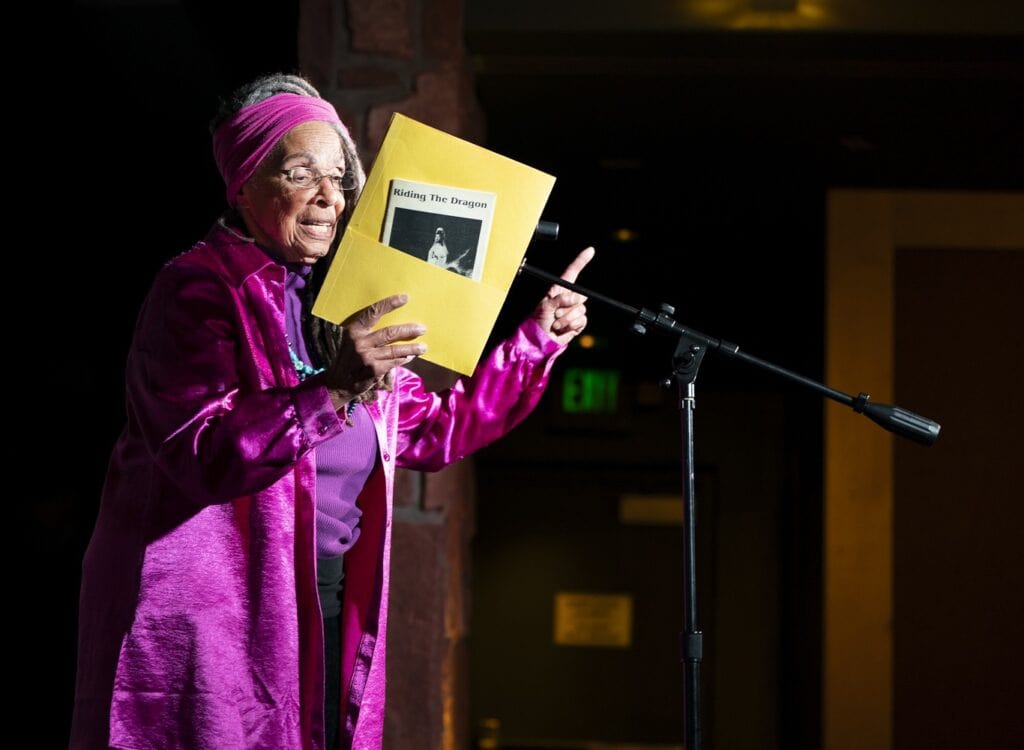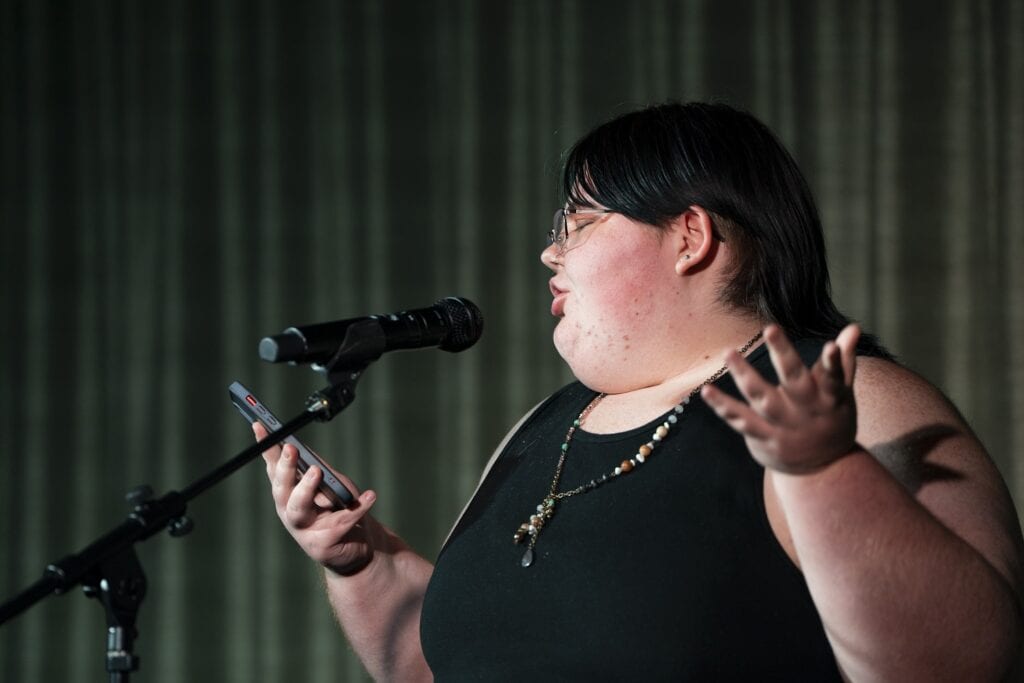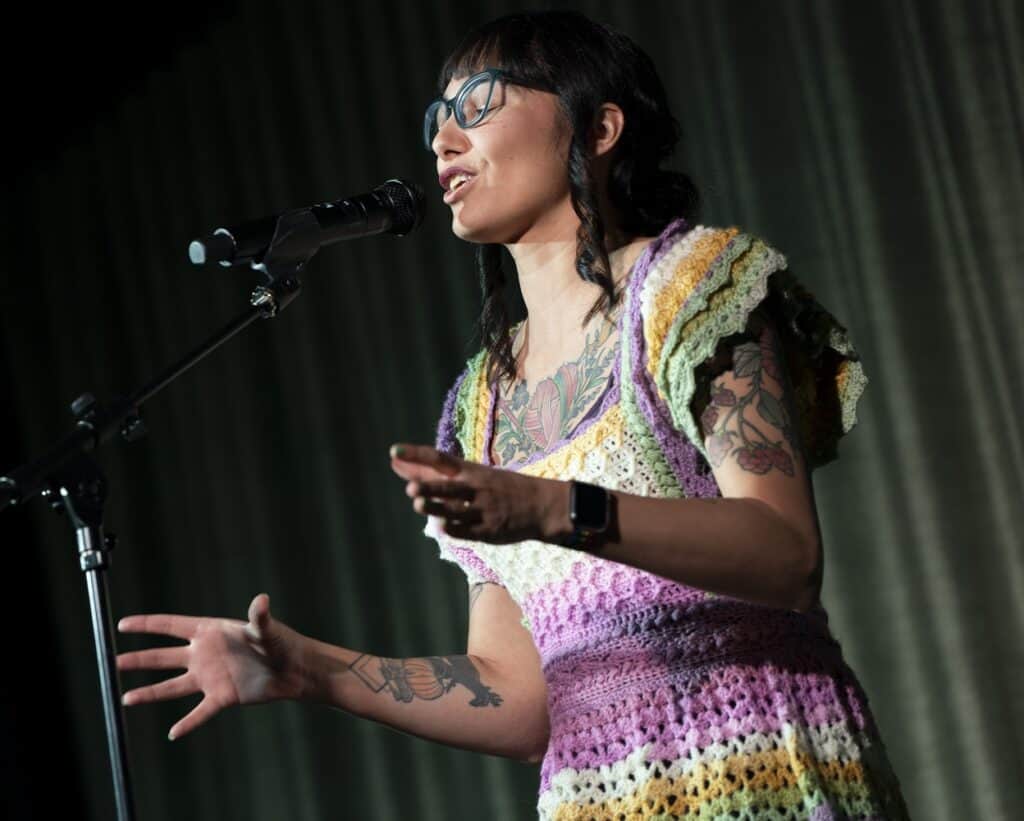









Poetry is alive and well in Sedona and the Verde Valley, exemplified by events over the last week.
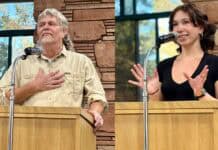
At the dedication on Monday, Jan. 26, of longtime Sedona sculptor James Muir’s work, “Call of the Canyon” at the northern terminus of city of Sedona’s View Walk project on the east side of the State Route 89A and Forest Road intersection Sedona Poet Laureate Gary Every performed his poem “The Call of the Canyon.”
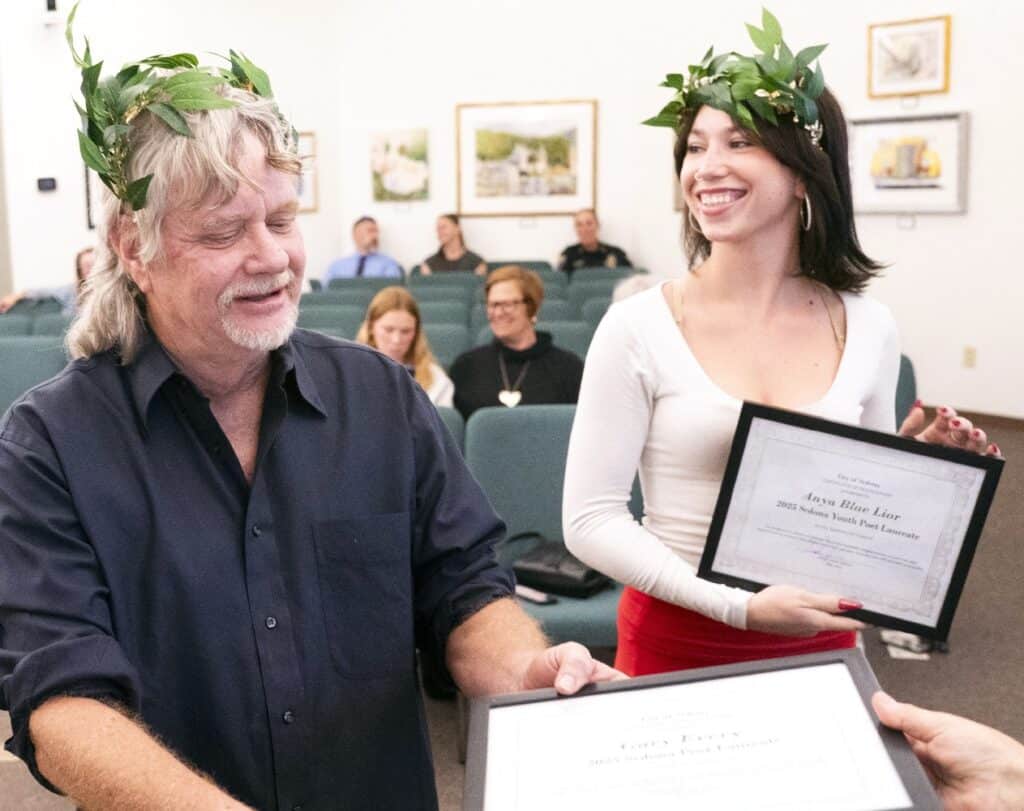
Every earned the inaugural post last year after four competitions around Sedona, and we featured him in our fall edition of our Lifestyles of Sedona magazine, along with Youth Poet Laureate Anya Blue Lior.
David Jolkovski/Larson Newspapers
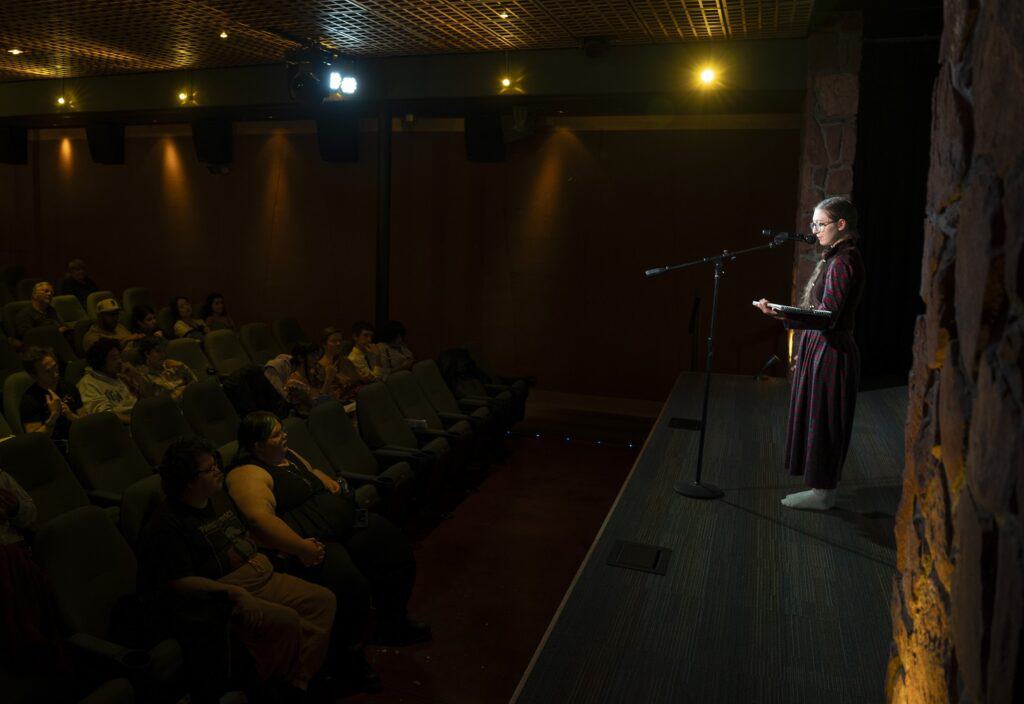
On Thursday, Jan. 22, Sedona Red Rock High School held its Poetry Out Loud competition in the school library. Poetry Out Loud is a nationwide poetry recitation competition founded in 2005. The program helps students improve public speaking, build confidence and grow their appreciation for poetry. Students choose works from an anthology of 250 poems, memorize one of the works and perform them. Unlike poetry slam, for which the poetic content and enthusiastic performance are equally important factors for judging the poets, Poetry Out Loud focuses on the text of poem being conveyed by the students.
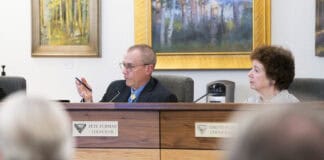
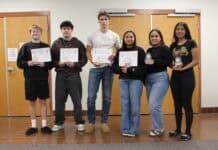
I was one of the judges of the Sedona contest, along with Scorpion Booster Club President Matt Corney, Sedona- Oak Creek School District Governning Board member April Payne, English and AP English Literature teacher Mariah McElrath and Amanda Stanfield, SOCSD assistant business manager and Governing Board secretary.
Iolani Sutton won the contest with her performance of “The Protected Sex” by Alice Duer Miller while Glenna Barnes was runner up with her performance of “Fire and Ice” by Robert Frost.
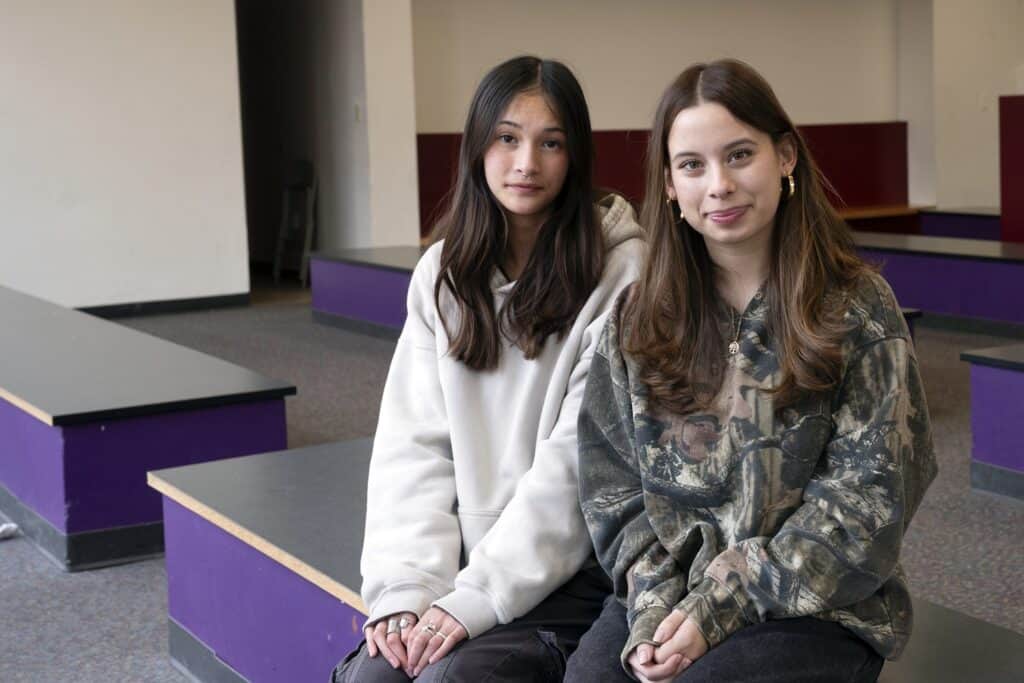
Reymond Papas-Collins read “A Distant Song” by John Gould Fletcher while Salem Perches performed “My Papa’s Waltz” by Theodore Roethke.
Barnes and Sutton will represent Sedona at the regional competition taking place at Northern Arizona University on Saturday, Feb. 14.
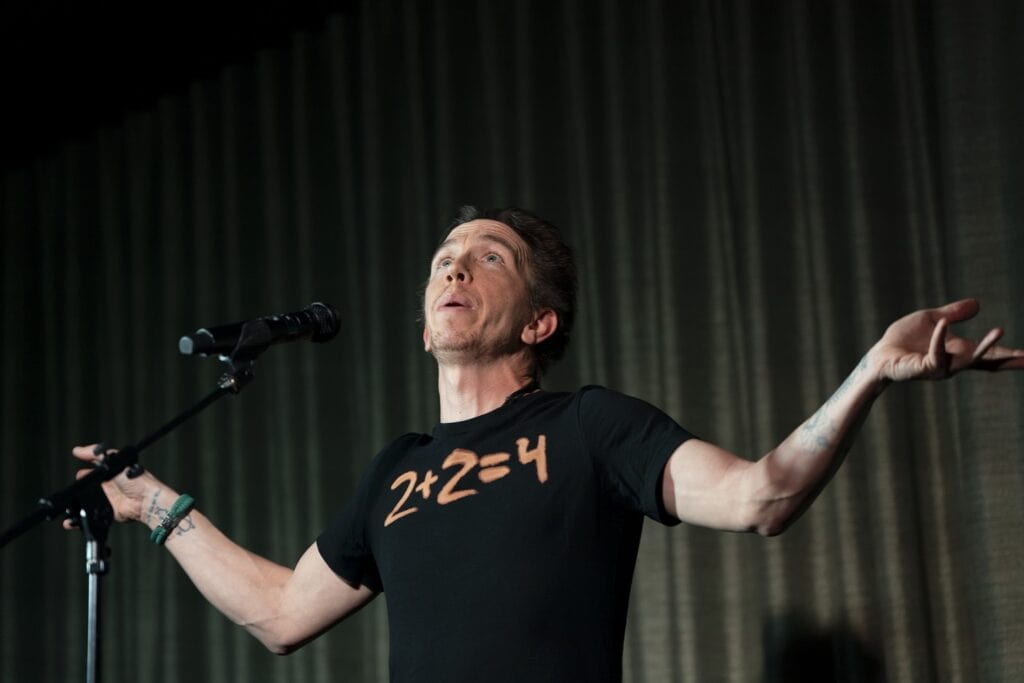
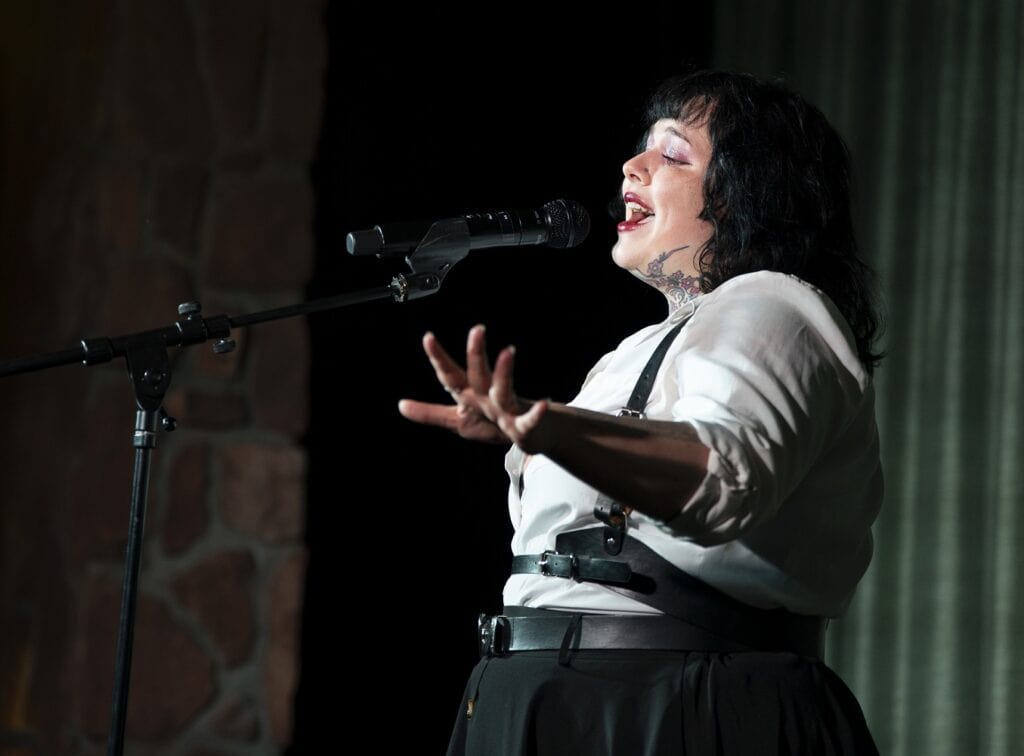
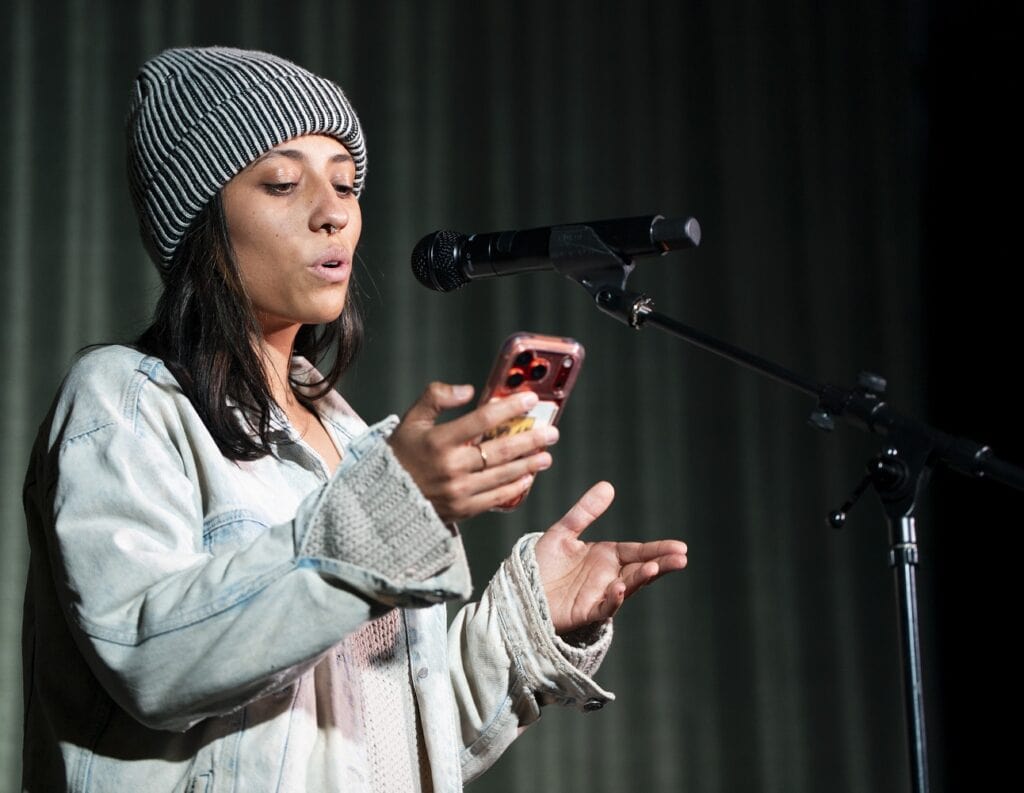
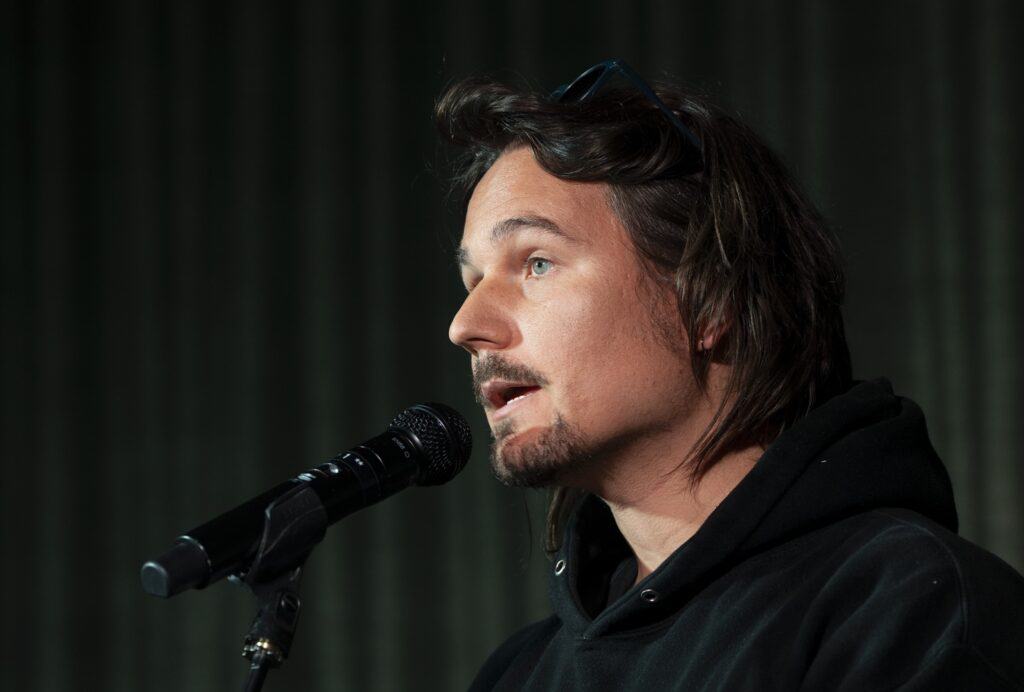
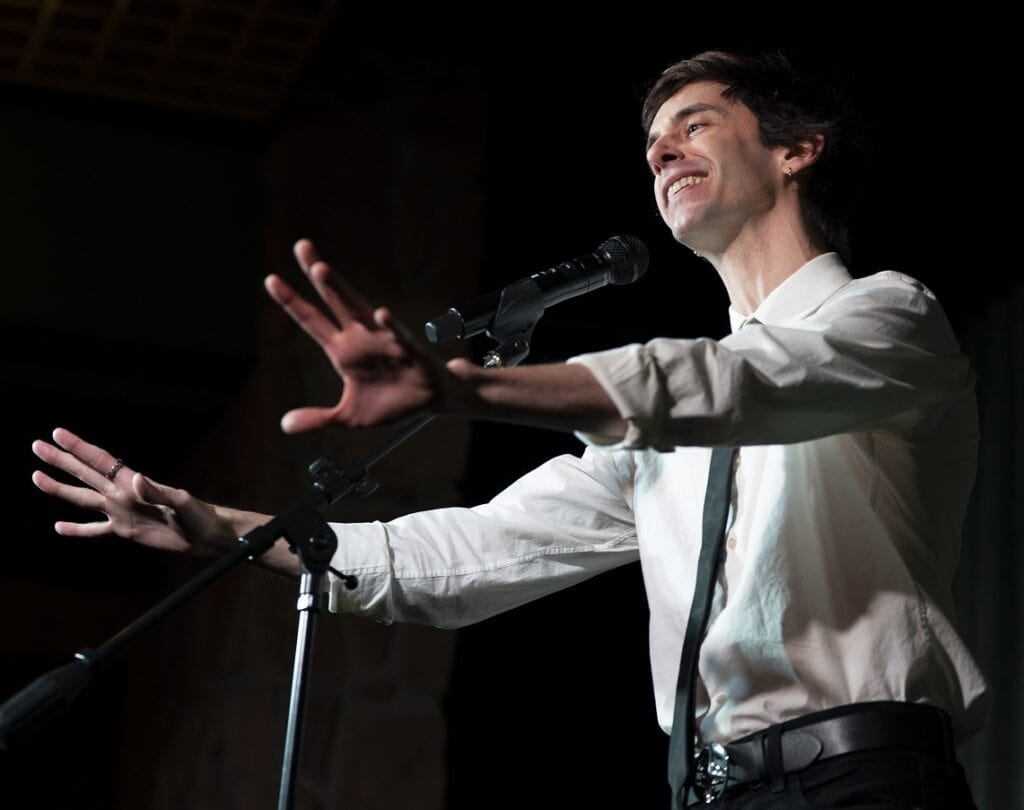
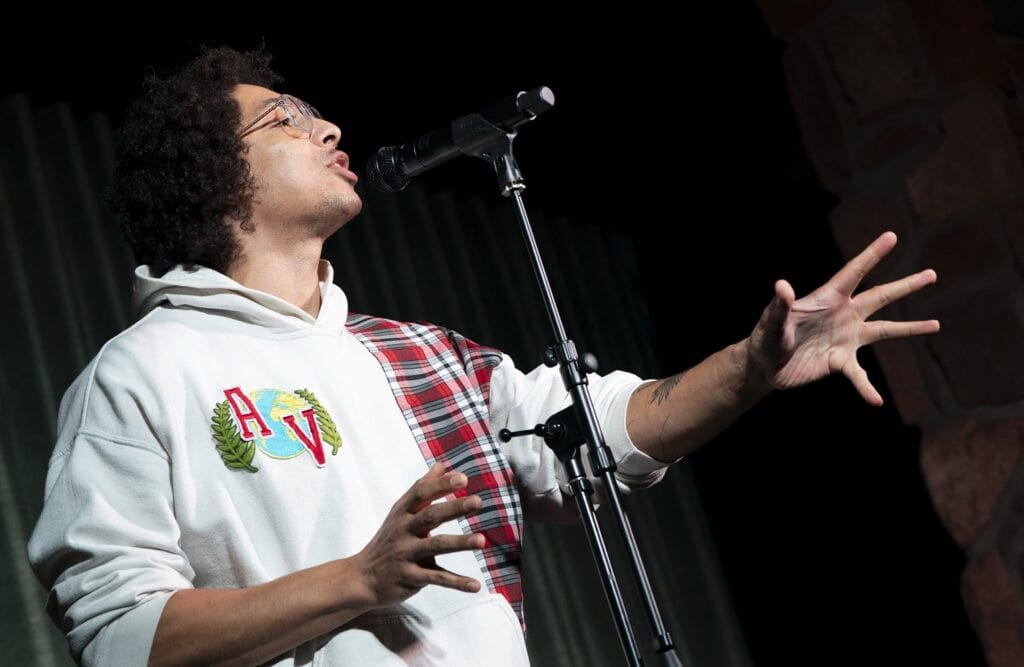
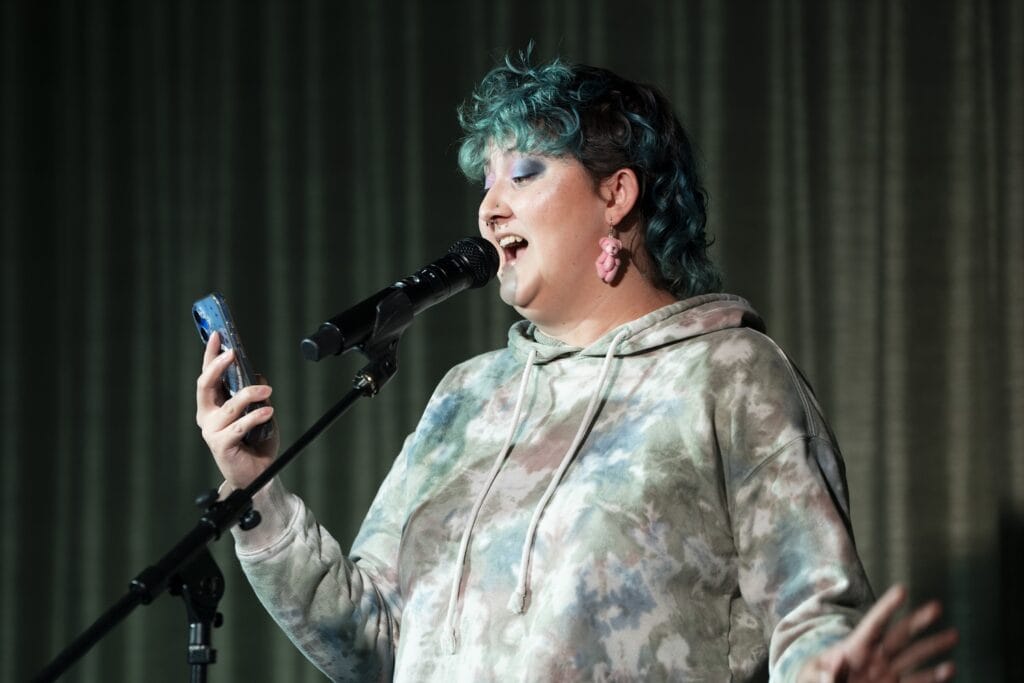
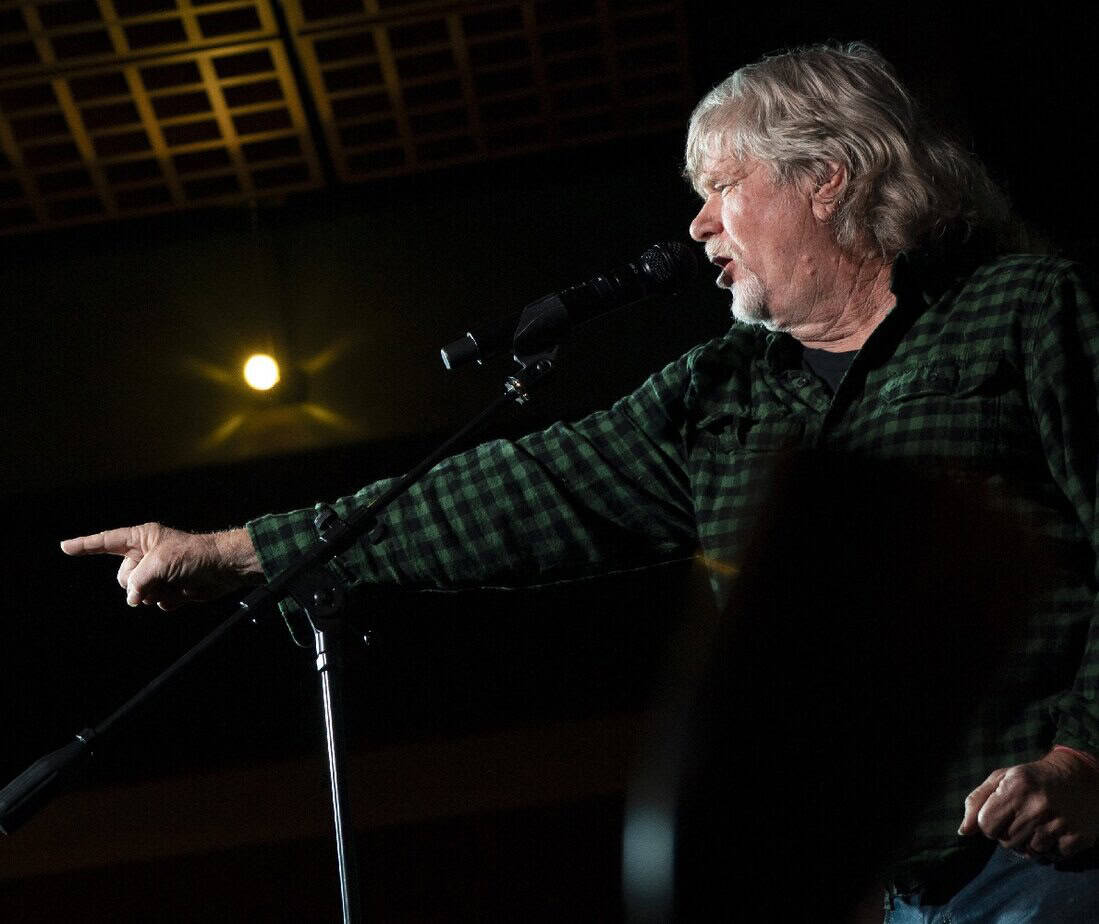
On Saturday, Jan. 24, I hosted the Sedona Poetry Slam at the Sedona International Film Festival’s Mary D. Fisher Theater. We’re currently in our 17th year of bringing slam poetry to audiences, which typically are half Sedona and Verde Valley residents and half tourists looking for an arts event on a Saturday night. We regularly have 10 to 15 poets from around Arizona, with most coming from Flagstaff and the Verde Valley, with a fair number coming from the Phoenix area poetry scene. The poems are original works by the poets and I never know from one slam to the next what’s going to appear on the stage, including two poets slamming poems for the first time.
Poetry is one of the oldest human art forms, dating back to prehistoric storytellers telling tales in poetic form to each other and audience long before the first civilizations.
Visual art like sculptures, painting and architecture outlive their artists, and sometimes outlive the cities, nations and civilizations that created them, but can still convey the artistry and wonder they did upon their creation. Music is a universal art form that does not need a full understanding of the society from which it came. But poetry is unique to the time, place, culture and language that created them. Unlike other art forms — music excluded — poetry does not exist in a tangible form but is conjured in the mind by the listener or the reader. A person reading or hearing a poem interprets its meaning based on their understanding of the words as they are presented in the order they are written or spoken.
As language changes, so too does how we understand a poem, if we understand it at all. Historians rediscovered Ancient Egyptian poetry from the pharaonic period written in hieroglyphics, but modern readers were unable to understand what they meant until the discovery the Rosetta stone in 1799 let us translate them into modern tongues.
Poetry is a time capsule for historians. Blank verse poetry — meter but no rhyming — is a relatively new invention emerging in English poetry in the 16th century and free verse — no meter nor rhyme — is a late 19th century invention. For most of human history, meter and rhyme were and remain paramount for poetry in nearly all languages. It made memorizing poems easier for storytellers, troubadours, bards, scops, griots and skálds to later recite to listening audiences.
Historical linguists use this fact to determine what words rhymed in older and ancient poems allowing us to determine pronunciations and accents of old, ancient and extinct languages.
Poetry is not just “poems” but the lyrics to your favorite song and the nursery rhymes we first learn as children, when discovering how to put language together to be understood. “Poetry is necessary,” as vital as water, food and shelter, is a saying among poets.
Poetry boils down language to its purest expression, conveys those ideas onward — and trusts that those listening and reading can feel — by just words alone — why the poem had to be born.
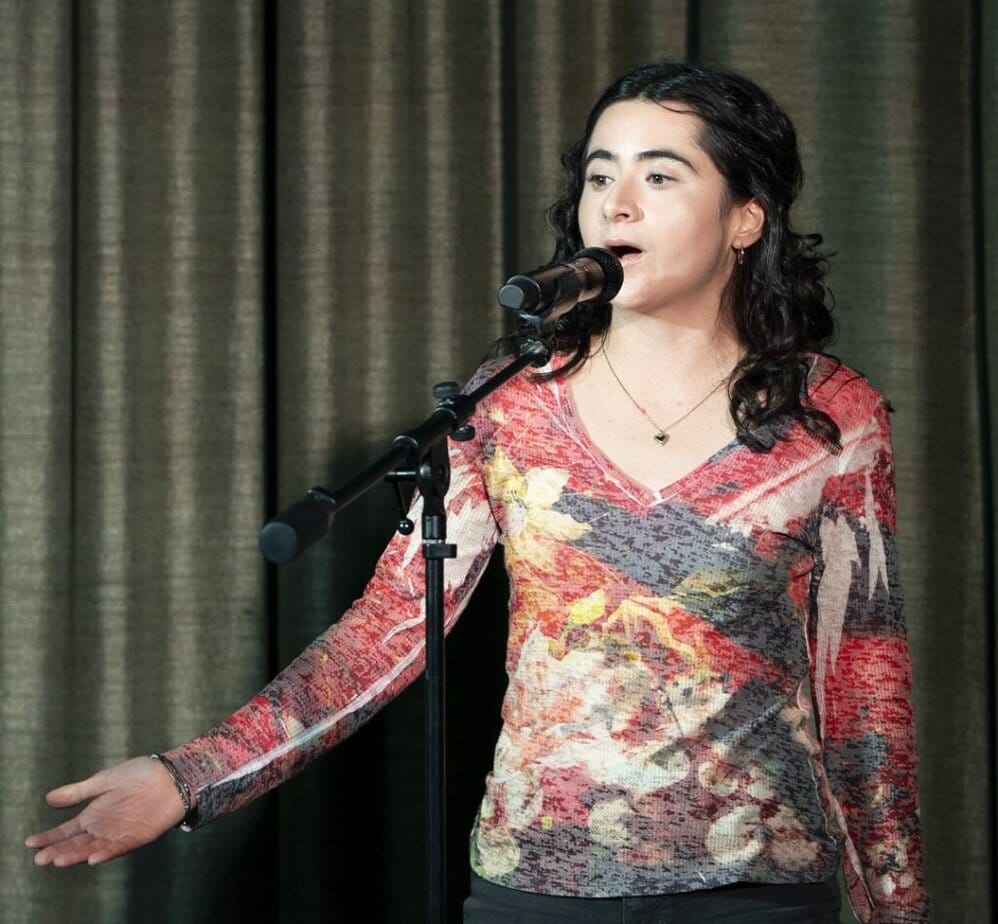
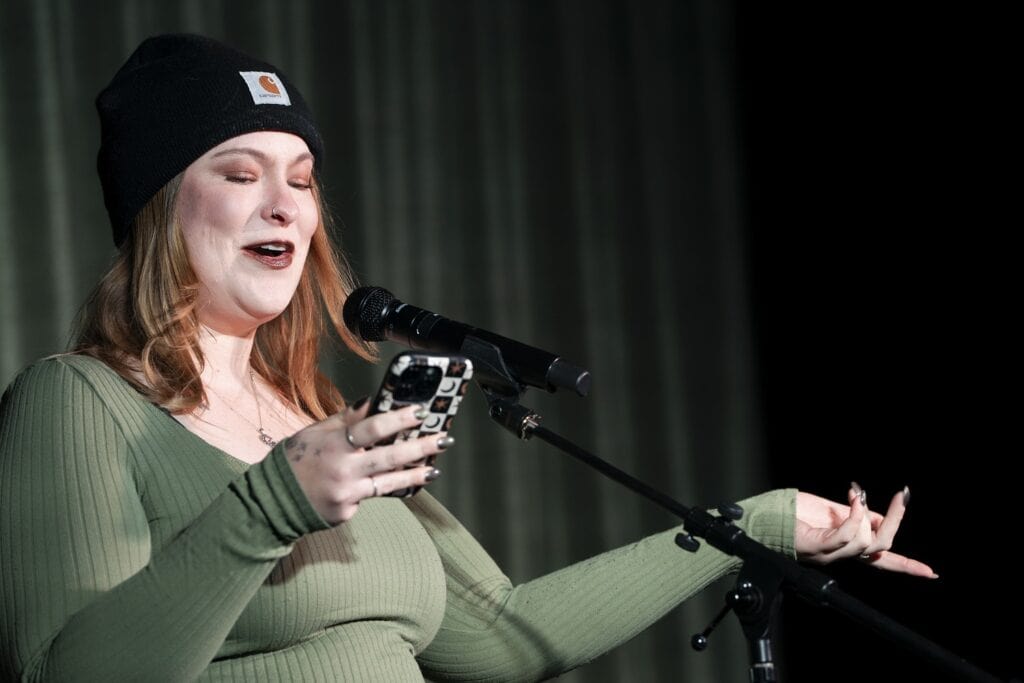
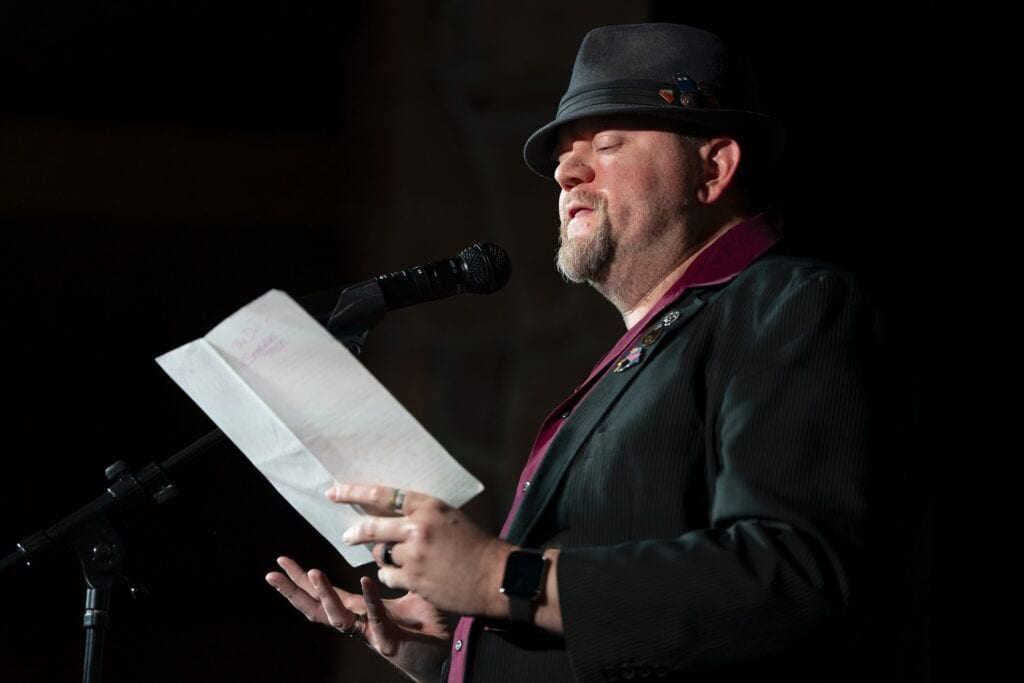
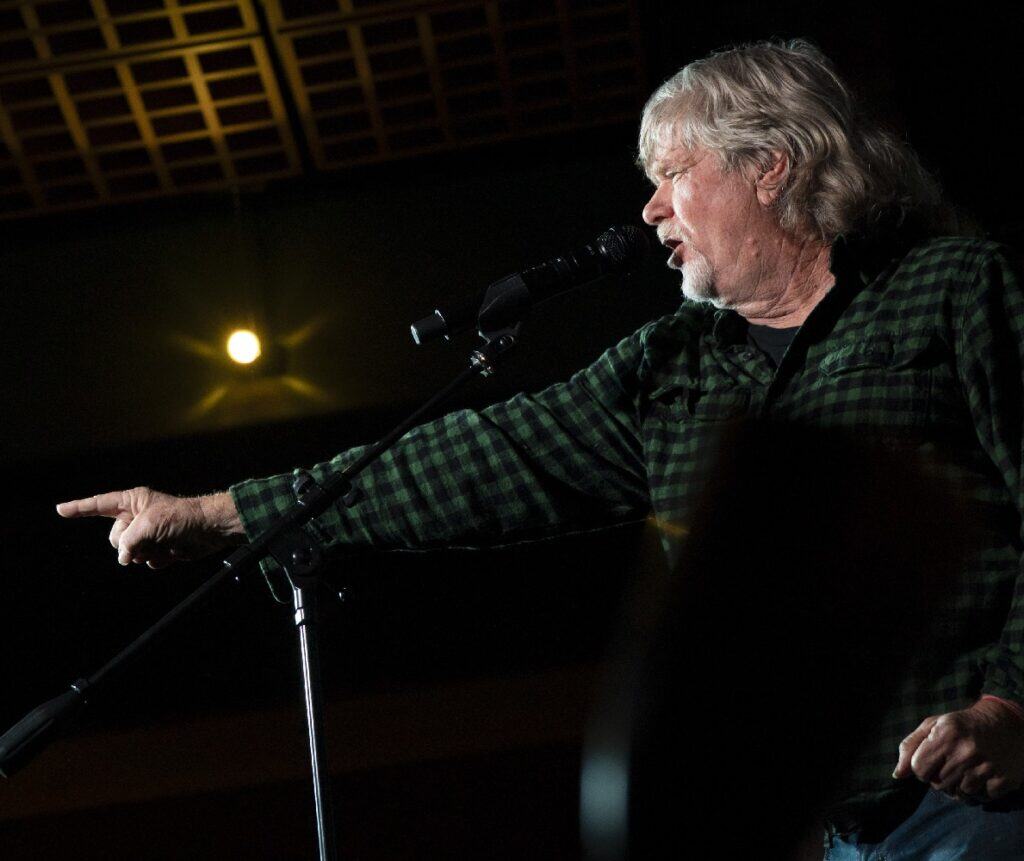
Sedona Poetry Slam poets on Jan. 24 at the Mary D. Fisher Theatre: