















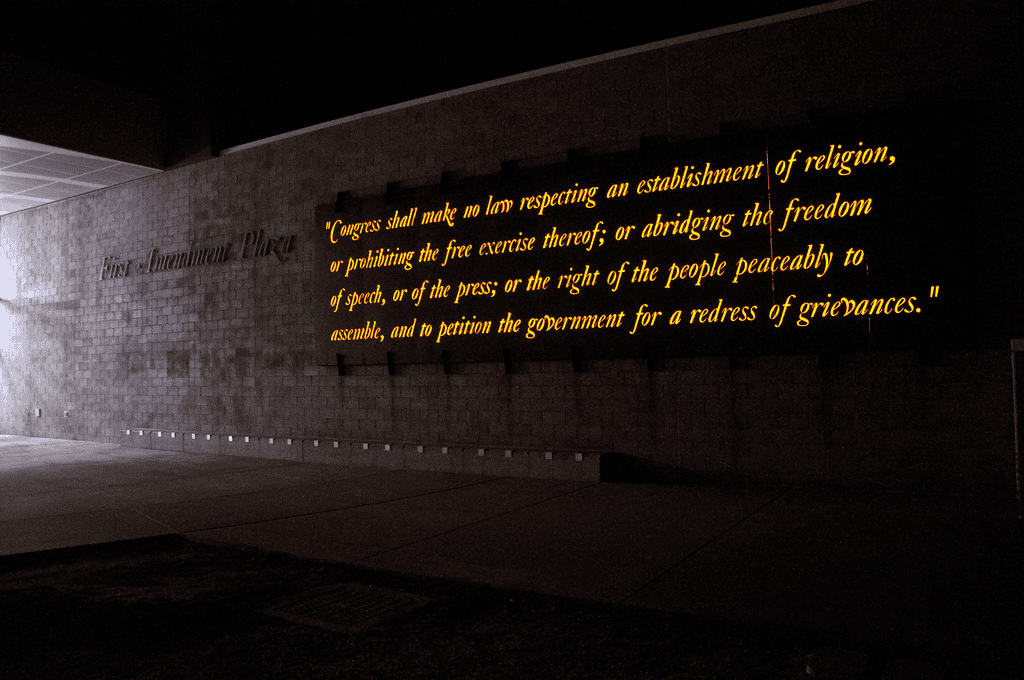
Americans celebrated the 250th anniversary of the Declaration of Independence on July 4. While this declared the 13 colonies liberated, which the British Empire rejected until the 1783 Treaty of Paris, the rights we Americans hold most dear were very much in flux after 1776. Based on British common law, which itself is an unwritten and uncodified legal system that originated in medieval England and relies heavily on judicial precedent, the new states had very similar legal processes, but as with any colonial peoples, the states in the New World have diverged almost from the start.
The basis of our rights long preceded the events of 1776 and legal instruments thereafter. Free speech, freedom of religious worship, due process and other fundamental American rights that we equate to the new nation and our later Constitution after 1789 all had earlier precedents.
The Mayflower Compact of 1620 established the idea of consent-based government that set the stage for later rights.
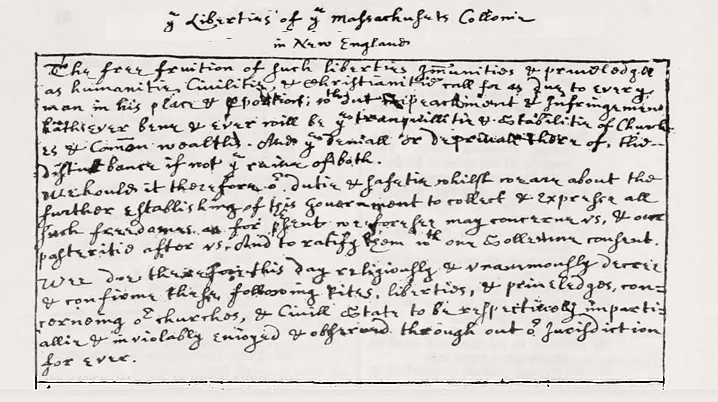
In “Liberty 12” of the Massachusetts Body of Liberties of 1641, “Every man whether Inhabitant or forreiner, free or not free shall have libertie to come to any publique Court, Councel, or Towne meeting, and either by speech or writeing to move any lawfull, seasonable and materiall question, or to present any necessary motion, complaint, petition, Bill or information,” allowing anyone to become a de facto lawmaker who could propose legislation and petition their local government for redress.
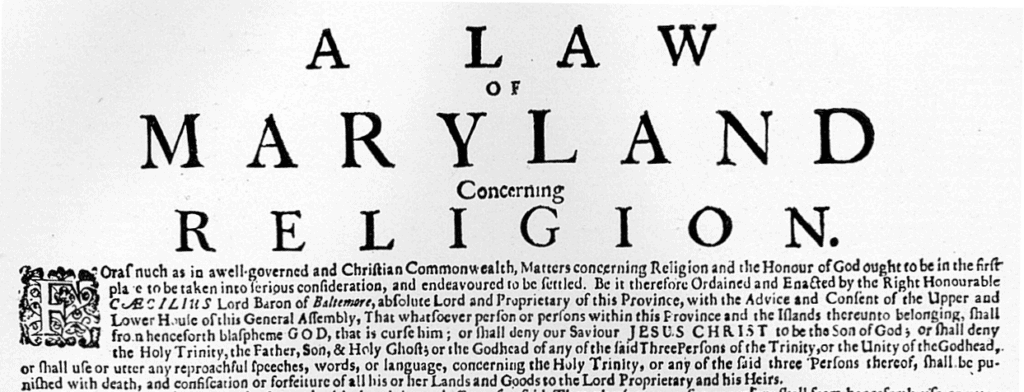
Maryland’s 1649 “An Act Concerning Religion” granted religious rights to its men and women, though only Trinitarian Christians: “Noe person or persons whatsoever within this Province… professing to believe in Jesus Christ, shall from henceforth bee any waies troubled, Molested or discountenanced for or in respect of his or her Religion, nor in the free Exercise thereof within this Province.”
A bit more generous, the Rhode Island Royal Charter granted by King Charles II in 1663 stated “… that it is much on their hearts … to hold forth a lively experiment, that a most flourishing civil state may stand and best be maintained … with a full liberty in religious concernments … no person within the said colonye, at any time hereafter, shall bee any wise molested, punished, disquieted or called in question, for any differences in opinione in matters of religion.” The 1677 Concessions and Agreements of West New Jersey had similar language.
Before and after the Declaration of Independence, the new states went on a tear, passing declarations of rights, like Virginia on June 12, 1776, which put in Article XII: “That the freedom of the press is one of the great bulwarks of liberty, and can never be restrained but by despotic governments.”
The Pennsylvania Constitution’s Declaration of Rights, passed Sept. 28, 1776, stated in Article XII: “That the people have a right to freedom of speech, and of writing, and publishing their sentiments; therefore the freedom of the press ought not to be restrained.”
The 1776 Delaware, Maryland and North Carolina constitutions and 1784 New Hampshire Constitution all included free press protections and religious liberty provisions. New York’s 1777 Constitution had the same religious rights, but lacked an explicit protection for the press or free speech.
The 1780 Massachusetts Constitution, Part the First, principally drafted by future U.S. President John Adams, granted in Article II freedom of religious worship that was “most agreeable to the dictates of his own conscience … provided he doth not disturb the public peace”; the press in Article XVI: “The liberty of the press is essential to the security of freedom in a state; it ought not, therefore, to be restrained in this commonwealth”; and the rights of assembly, petition and remonstrance in Article XIX.
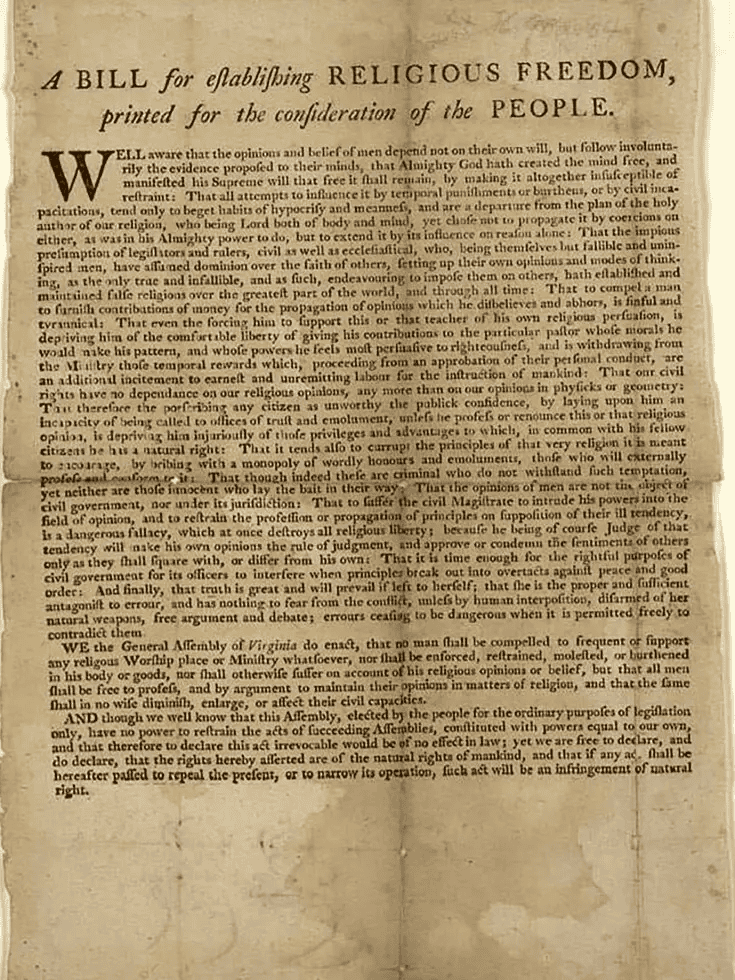
The 1786 Virginia Statute for Religious Freedom, written by future U.S. President Thomas Jefferson and passed into law by the efforts through future U.S. President James Madison, granted religious freedom, established the legal separation of church and state and encapsulated free speech rights in beautiful prose: “truth is great and will prevail if left to herself … she is the proper and sufficient antagonist to error, and has nothing to fear from the conflict unless — by human interposition disarmed of her natural weapons: Free argument and debate; errors ceasing to be dangerous when it is permitted freely to contradict them.”
The United States Constitution was written in September 1787 with the Bill of Rights cementing these disparate ideas into one document in 1792.