

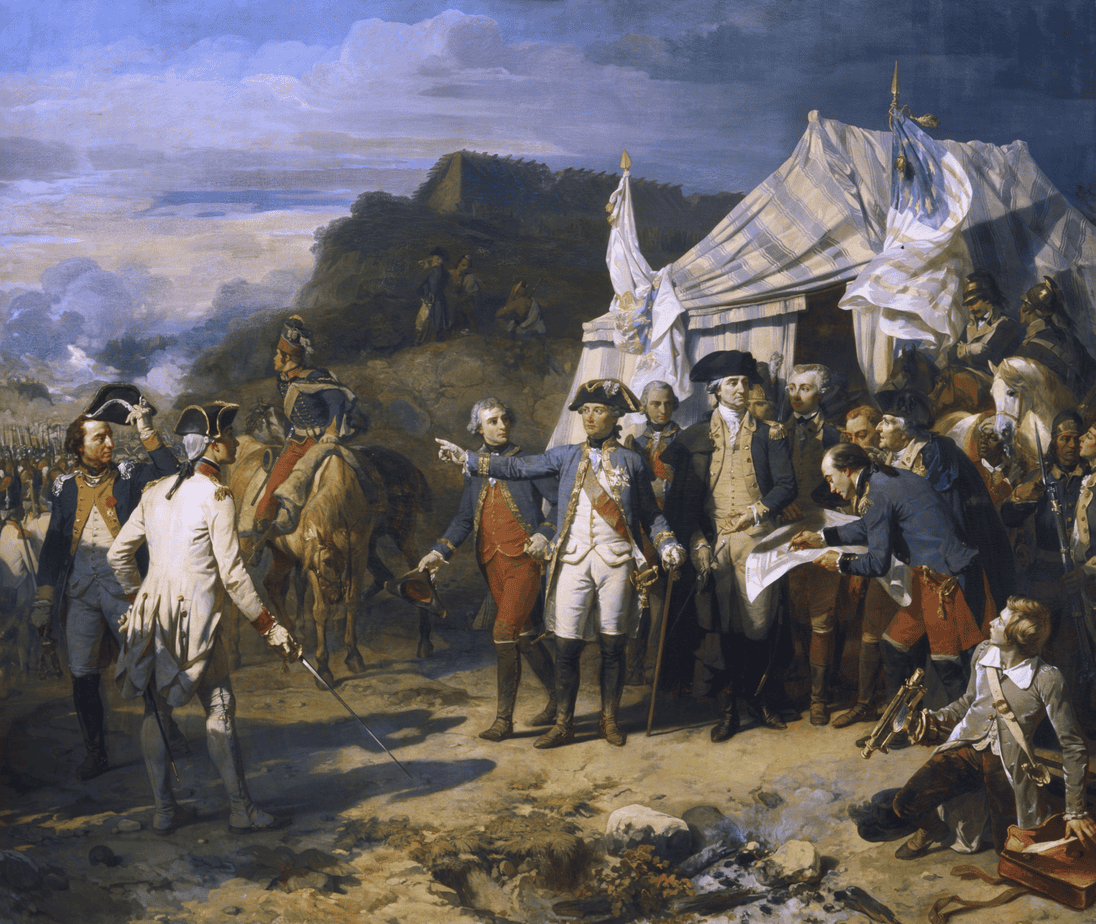
Tomorrow, Saturday, July 4, marks the 250th anniversary of the Declaration of Independence in 1776.
Delegates in the First Continental Congress from 12 of the 13 colonies, excluding Georgia, met from Sept. 5 to Oct. 26, 1774, to demand that King George III repeal the so-called Intolerable Acts, namely the Boston Port Act, which closed the port of Boston until the city repaid the costs from the 1773 Boston Tea Party; the Massachusetts Government Act, which revoked the colony’s semi-autonomy and limited public meetings; the Administration of Justice Act, which allowed royal officials to be extradited from Massachusetts to Great Britain for trial for crimes committed in the colony; the Quartering Act, which required colonies to house British troops, even in the homes of colonists; and the Quebec Act, which expanded Quebec into the Great Lakes.
The demands went unheard.
After the Battles of Lexington and Concord, in which colonists repulsed a column of British soldiers trying to seize weapons depots on April 19, 1775, the Second Continental Congress met on May 10, 1775. It created the Continental Army on June 14, 1775, out of militia units around Boston and appointed George Washington of Virginia commander-in-chief the next day.
Congress resolved unanimously to approve the Declaration of Independence on July 4, 1776, and returned to sign the final document on Aug. 2, 1776, at the Pennsylvania State House, which was renamed Independence Hall in the 1820s and 1830s after being referred to as such following independence.

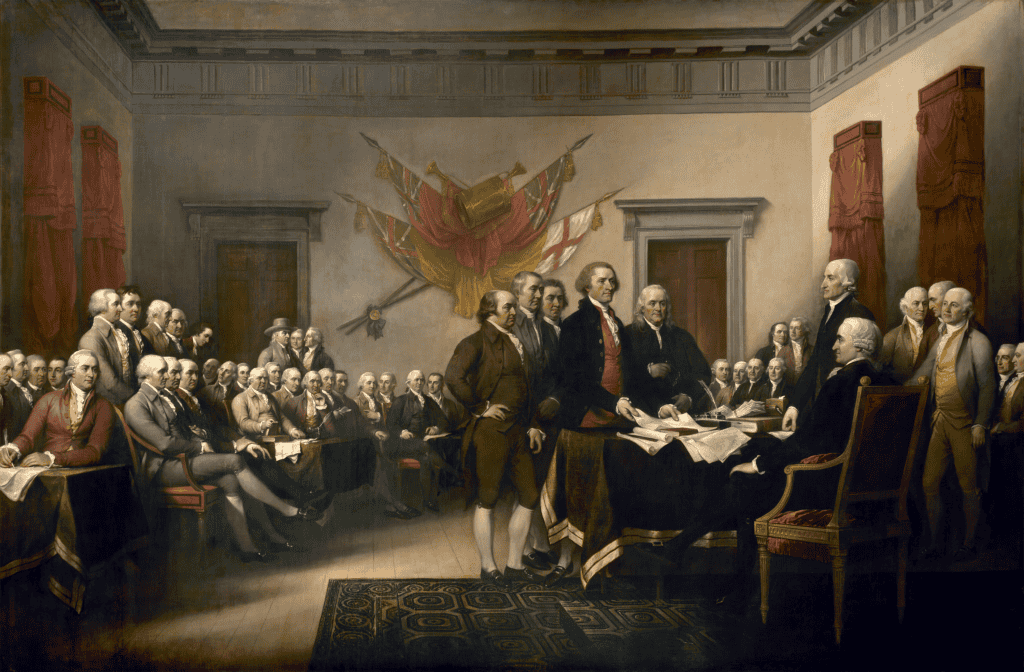
Many of the signers actively served in the Continental Army while others continued to serve in a political capacity during and after the war. Despite a meme that circulates this time of year, none of the signers were tortured and none died during the course of the war, which lasted until 1781.
The colonial rebellion did not start out well for the patriots. The British evacuated Boston, but seized New York and threatened the de facto national capitol, Philadelphia, which the British captured in September 1777, forcing Congress to flee to Baltimore.
In northern New York, British Gen. John Burgoyne attempted an invasion from Canada, but was defeated in the two Battles of Saratoga and surrendered his entire force to Gens. Horatio Gates and Benedict Arnold. The defeat led to resignation of Gen. William Howe, who was replaced by Gen. Henry Clinton. The victory showed France that the Americans were not upstart rebels but a nation capable of defeating one of the great powers in a pitched battle. France entered the war as an American ally. The expenses paid to support the Americans would later doom King Louis XVI, who would fall victim to his own revolution in 1789 and lose his head to the guillotine in 1793.
Over the winter, the war in the north entered a stalemate, with British in occupied Philadelphia and the rebels encamped in nearby Valley Forge. In the South, the British under Clinton were far more successful, winning some of the war’s largest victories.
The final turning point came in 1781. After successes in the West and with French naval support, Washington and French Gen. Jean-Baptiste Donatien de Vimeur, the comte de Rochambeau, debated whether to attack New York or George Cornwallis’ central army in Virginia.
Washington deferred to Rochambeau’s plan to attack Virginia, but a feint by Washington led to Clinton thinking the patriots would march on New York. Clinton ordered Cornwallis to retreat to Yorktown and await evacuation by sea, abandoning the outer defenses, which he thought would not be needed.
French General, the Marquis de Lafayette — the hero of two revolutions and perhaps the most interesting figure of the period — seized the earthworks and besieged the city until Washington and Rochambeau arrived. At sea, Admiral Thomas Graves was indecisively defeated in Chesapeake Bay and retreated to New York.
Cornwallis surrendered Yorktown on Oct. 19, 1781. With its colonial forces split in two, New York and the north under threat and the South unable to relieve them, the British pulled out.
The Treaty of Paris of 1783 cemented American Independence, which began seven years earlier when a handful of Americans, chosen to represent their fellow countrymen, signed their names to the document which begins: “We hold these truths to be self-evident, that all men are created equal, that they are endowed by their Creator with certain unalienable Rights, that among these are Life, Liberty and the pursuit of Happiness. That to secure these rights, Governments are instituted among Men, deriving their just powers from the consent of the governed.”


