















Voters to decide on home rule & cultural park
Mayoral candidates Henry Silbiger and Vice Mayor Brian Fultz made their pitches why they should be the next mayor of Sedona to the Sedona Lodging Council on the morning of Tuesday, June 9, at the nonprofit trade association’s final meeting before its summer hiatus.
The sharpest divides between the two candidates came down to home rule, or Proposition 400, and the Sedona Cultural Park Preservation Act, or Proposition 403, that voters will also decide on the same Tuesday, July 21, primary election ballot.
Prop. 400 puts at stake the city’s ability to use the Alternative Expenditure Limitation to set the maximum it can spend from revenue it has already collected. Sedona City Council has approved its tentative budget of $97,963,222, with final approval set for later this month.
“Based on Fiscal Year 2026 figures, the city’s annual budget would be reduced by 70%,” according to the city, should the home rule proposition fail.
Silbiger took a neutral stance on home rule, deferring the matter to voters.
While taking questions from Lodging Council members, Silbiger said it isn’t as simple as taking a “yes” or “no” position on home rule, “because you alienate half the city.”
Sedona voters regularly pass home rule every four years since 1990 with an average of 61%, with the sole exception of voters rejecting it in 1994 by 56.77%. It passed in 1996 by 55.38%.
“I am absolutely for home rule, and it is ridiculous for anybody to say that they’ll accept the will of the voters and deal with it,” Fultz said. “That is an abdication of leadership, and that is putting at risk the things that the community has said they value.”
Fultz said the city has grown its cash and investment reserves by $58 million since he was elected in 2022 and now holds nearly $100 million.
“If our economy fell off a cliff tomorrow,” he said. “We have enough in reserves to go an entire year without a single dollar of bed or sales tax and be able to continue to function safely and consistently as a community, so when I hear ‘fiscal imbalance,’ I go, ‘where is that coming from?'”
Silbiger advocated for “strict fiscal responsibility,” finding the spending to be the issue regularly pointing to the current $26.4 million price tag of the Uptown Parking Garage.
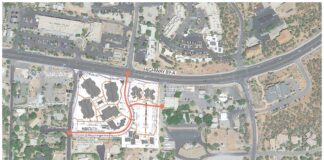
The mayoral candidates also differ on the fate of the Western Gateway that voters will decide when they cast their votes on Prop. 403, that seeks “prohibit residential development of any kind or overnight camping or sleeping within” the Sedona Cultural Park area, with Silbiger coming in favor of the initiative and Fultz opposed.
“One reason I’m for it is because the city sued the initiative [organizers], and they sued the initiative on a pretentious reason,” Silbiger said, about the city’s argument in its lawsuit to block the initiative arguing in a March 31 lawsuit that the initiative was unconstitutional zoning by initiative. Yavapai County Superior Court ruled against the city, which chose to not appeal. “I don’t believe that you can build on the cultural park economically to accomplish workforce [or] low-income housing, that that place is not set for that.”
“No on Prop. 403 because the City Council, before I joined, chose to buy that property at Cultural Park, so that housing could be part of it, not dominate it,” Fultz said. “I do think that is a very helpful and essential part of achieving that Balanced Housing Strategy is be able to put some units there … modest, not five stories, not 500 units.”
The Sedona Chamber of Commerce and the League of Women Voters of Northern Arizona, held a City Council and mayoral candidate forum on Thursday, June 11, after deadline that will be covered in a future issue of the NEWS.
The last day to register to vote for the Tuesday, July 21, primary election is Monday, June 22.