











Sedona Fire District says a tidy yard and restraint are best defense
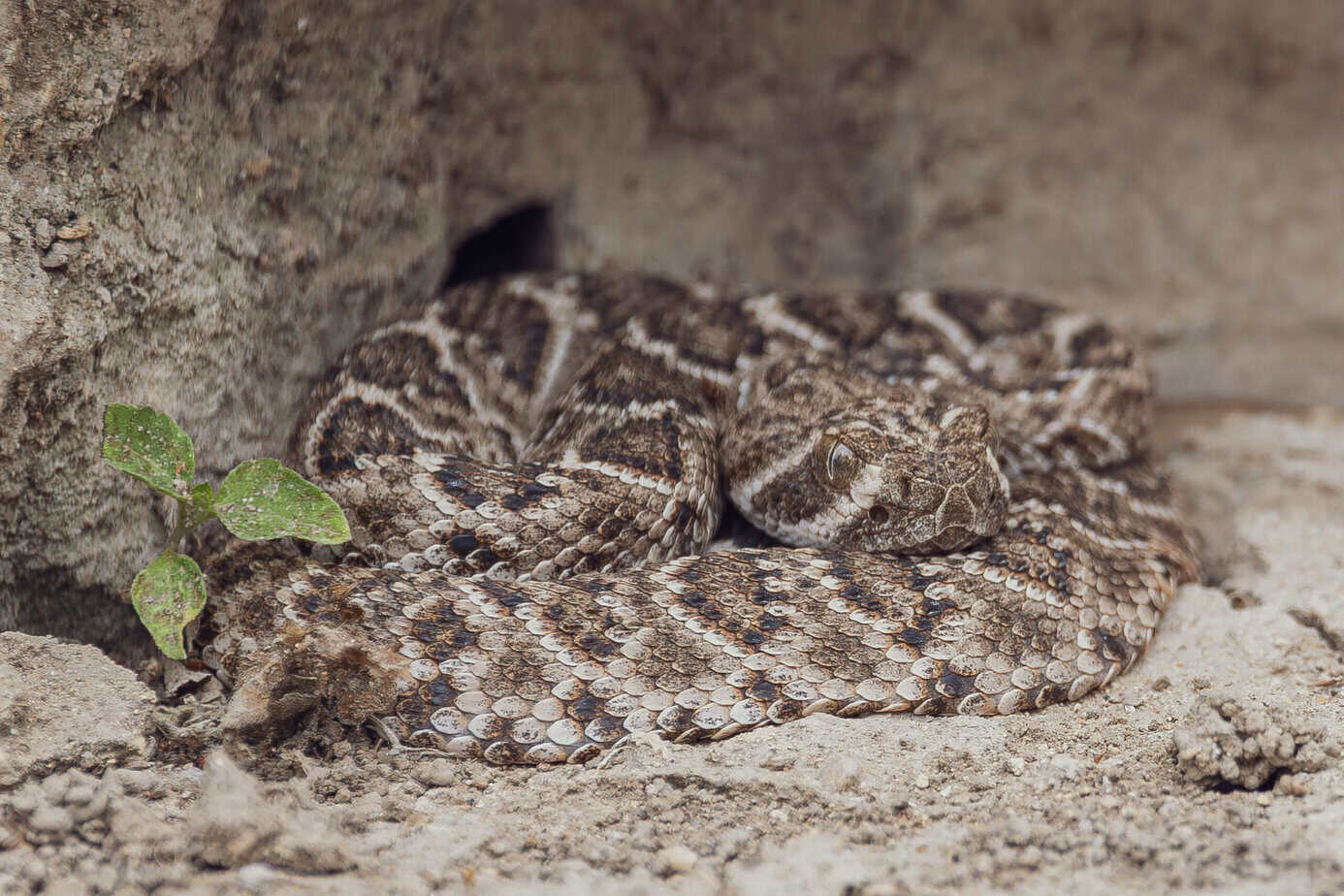
Arizona is home to 13 different species of rattlesnakes, the most in the nation. As the temperatures start to pick up, so does the number of resident calls to the Sedona Fire District asking firefighters to move one of the reptiles.
SFD upped its safety messaging this year with Snake Week in an effort to reduce calls and improve local quality of life.
Peak snake season is “when they start coming out in May and June, they’re looking for food, looking for water,” Capt. David Rodriguez said. “Then again, we’ll come into contact with them in August as the monsoons start to die down and as they start to enter into different breeding seasons — we’ll see a little spike then as well.”
“I worked in the VOC for about 12 years, and between the months of May and October we would probably run at least one or two [snake removal] calls every couple days … it just depends on the time of year,” Rodriguez said.
Reducing rodent activity is the most effective way to prevent snake encounters, since snakes follow their food supply. SFD recently completed its Snake Week messaging, offering safety tips:
- Remove bird feeders because they attract rodents
- Keep pet food indoors and secured
- Seal gaps, cracks and entry points around your home
- Store firewood at least 18 inches off the ground and away from structures
- Keep grass trimmed and remove debris or clutter
- Secure trash in sealed containers
“If you keep those things clean, you shouldn’t have any issues with snakes coming into your yard, because they’re looking for food, shelter and water,” Rodriguez said.
If you see a snake, SFD recommends that you keep your distance. Most bites happen when people try to interact with snakes, so awareness and restraint are your best protection.
- Stay calm and keep a safe distance
- Slowly back away and give it an escape route
- Keep children and pets inside
- Monitor from a distance until it leaves
If a snake is inside your home or poses an immediate safety concern, contact your local non-emergency line or appropriate wildlife resources.
Do not:
- Attempt to touch, move, capture or kill the snake
- Throw objects at it
- Corner it
“Leaving a rattlesnake alone can significantly reduce the risk of being bitten. In fact, more than half of all rattlesnake bites are provoked by the person who was bitten,” according to a February Arizona Game and Fish Department press release.
If a snake needs to be moved, SFD will do it when animal control is not available, Rodriguez said.
“So we come out and take a look. It’s not like we’re going to remove every snake — some snakes we’ll move to the edge of the property, but we’re not taking them and driving them miles away from your house.”
Rodriguez added snake bites themselves are comparatively rare and that he has responded to only one bite call in his over 20 years.
“It was a hiker who was walking on a trail, heard a rattle, took a step and stepped on the snake and was bitten,” he said.
SFD has been relocating snakes for well over 20 years, but in early 2024 leadership decided it was time to formalize the process, and Rodriguez has been the program manager with staff from Northern Arizona University helping with snake training, species identification, safe capture distances and humane handling equipment.
Staff needs knowledge of which kinds of snakes are federally protected and not allowed to be removed under threat of up to a $10,000 fine for each occurrence. Locally there is the narrow-headed gartersnake that is listed as threatened under the Endangered Species Act, which SFD has to be able to identify on relocation calls.
SFD has had zero calls to move a narrow-headed gartersnake “since we started doing it,” Rodriguez said. “And most of those [species] are going to be found down and around Oak Creek and so we’re not going to experience too many of those around town.”
“The biggest thing for me is just understanding what we can do to prevent encounters with snakes, and when we do encounter one, give them space and call the appropriate number to get the correct resource to help get the snake on its way,” Rodriguez said.
SFD also has snake awareness tips:
- Stay aware on trails and around rocks or brush
- Wear proper footwear when outdoors
- Keep pets on a leash
- Respect wildlife — don’t approach
Call the Cottonwood Public Safety Communications Center non-emergency line at 928-649-1397 to report a snake that needs to be moved. If you are unable to reach the non-emergency line, dial 911.