











The last day for voters to cure their ballots for the July 21 primary election was Monday, July 27, i.e., to fix errors on mail-in ballots, of which there were only a handful countywide in both Coconino and Yavapai counties.
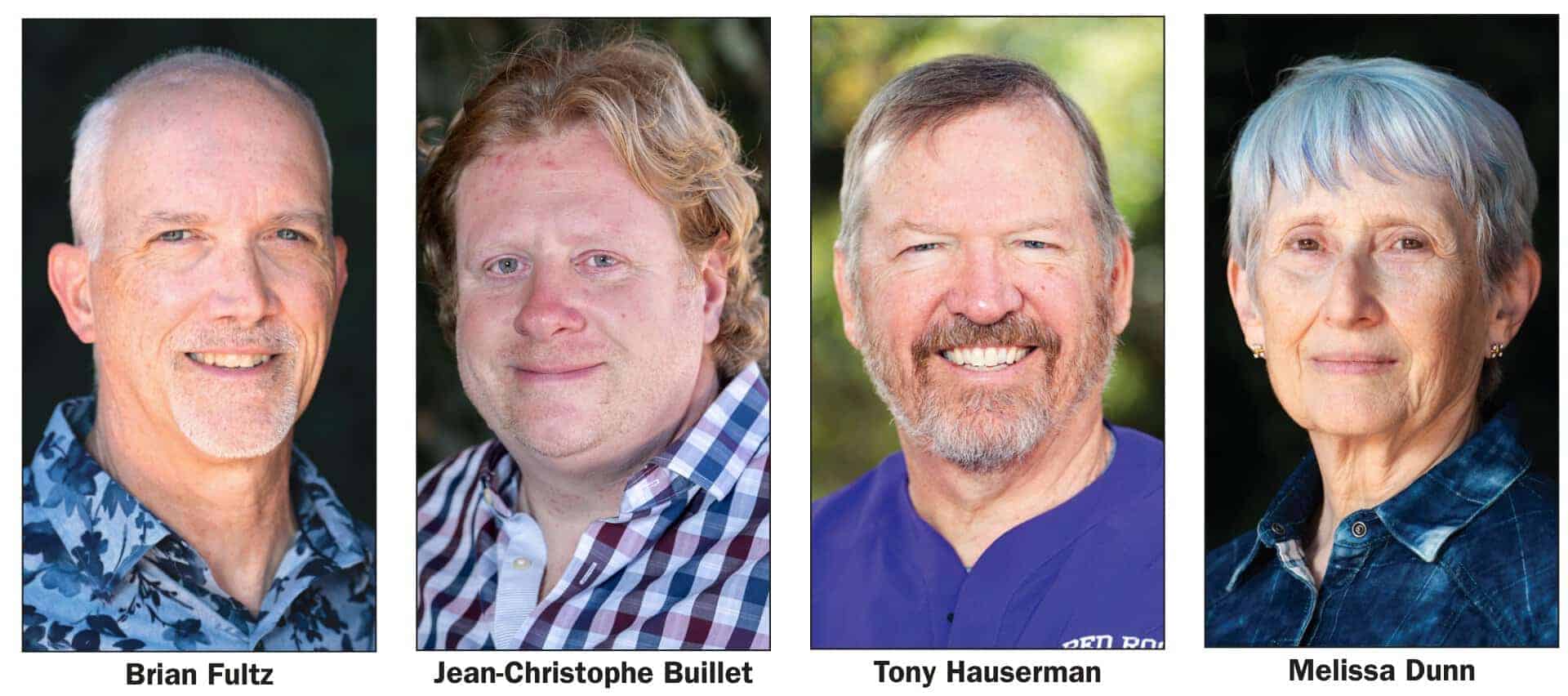
While the final votes might differ by one or two votes in the absolute final tally, Vice Mayor Brian Fultz was elected Sedona’s next mayor by winning 52.28% of votes cast to challenger Henry Silbiger’s 47.63%.
Fultz was elected as a Sedona city councilman in 2022 and was serving in that post when Mayor Scott Jablow resigned in September. The resignation automatically elevated Vice Mayor Holli Ploog to acting mayor, which was then codified by a vote by the rest of council as interim mayor until the end of what would have been thew regular mayoral term this November.
At that same meeting, Sedona City Council also elevated Fultz to vice mayor. So, in an emergency that was the collapse of Jablow’s disastrous reign, Fultz and Ploog took over and led the council competently, hoping to rebuild the trust with the public that their predecessor had squandered and abused.
Incumbent Councilwoman Melissa Dunn returns her seat for another four-year term and with Ploog returning to her regular council seat until the end of her regular term in 2028, effectively swapping the top spot with Fultz for the next two years and the seats of council members Kathy Kinsella and Derek Pfaff not up until 2028, residents can hope for a steady hand at the tiller to repair the chaos of 2024 and 2025.
Councilman-elect Tony Hauserman came in second with 1,857 votes, running jointly with Dunn and Fultz, and will likely bring the same type of viewpoints to council, though perhaps with a greater focus on Sedona’s families and youth having raised children here and coaching football in Sedona.
Coming in first among council candidates, with 1,892 votes, Jean-Christophe Buillet ran on a “slate” with mayoral candidate Silbiger, and fourth-plate council candidate Rich Gay and last-place candidate Lita Loesch Boyd, none of whom were elected. The “slate” made lots of promises about how to change Sedona if they were all elected, but as only Buillet was chosen, he will have to go it alone and persuade the rest of council including former election opponents if he plans to make any of the changes he promised his voters. Silbiger, Gay and Boyd may run again in 2028 if they choose to; we’ll just have to wait and see.
These newly elected council members will be seated after the Nov. 3 general election.
In a nonpartisan race like those of municipal elections, running as a “slate” seemingly helps as party and partisan labels are absent, so voters don’t have those same cues to focus on. Party affiliation rarely affects how municipal governments are run, after all, a sidewalk, wastewater treatment pump or a grant to a community nonprofit doesn’t have a partisan slant.
There are very few local issues that rise to the same “culture war” status as issues like abortion, immigration or civil rights and the devolved powers of a town or city give such elected officials very little leeway on laws that are reserved for state legislators.
A slate gives them a substitute cue, shared branding, shared endorsements and yard signs, and joint newspaper advertisements that lower the cost of campaign, but they don’t seem to affect voting as much as candidate would think.
They can share campaign staffers, but if some candidates in a slate are more actively involved or locally prominent in a race, members of a slate can wind up fighting among themselves if one candidate is getting too much time and assistance or a weaker candidate isn’t getting much traction and begins to pull the rest of the slate down.
Sedona voters have seen this before when one “slate” was tight with a coherent message and joint appearances and the other “slate” had a candidate only half-invested to meet the minimum three candidates needed, and with terrible trouble communicating ideas beyond parroting what the other slate members had said.
The downside for any “slate” is that is concentrates all the risk for all the candidates in that group; they rise and sink as a group.