














As we wrapped up work in the newsroom on Thursday, July 2, before the Fourth of July holiday weekend, the Pocket Fire grew from 20,680 acres in the morning to 21,138 acres in the afternoon.
Though we newspaper journalists and photojournalists leave the newsroom at the end of the day and take vacations, the news never stops and we don’t either, so we posted updates, photos and videos through the weekend as fire crews battled the blaze burning about seven miles north of Sedona. We posted two stories to our website and 18 posts to our Facebook page with scores of photos, several videos and reporter Joseph K. Giddens’ interviews with U.S. Forest Service representatives Dick Fleishman, Joel Barnett and Bob Poole and Yavapai County Sheriff’s Office Lt. Chuck Owens on Saturday, July 4, after the Seven Canyons area was placed in “SET” status in the county’s “Ready, Set, Go!” evacuation system.
The day after Seven Canyons was placed into “SET” by YCSO, the Enchantment Resort area was also added to “SET” on Sunday, July 5.
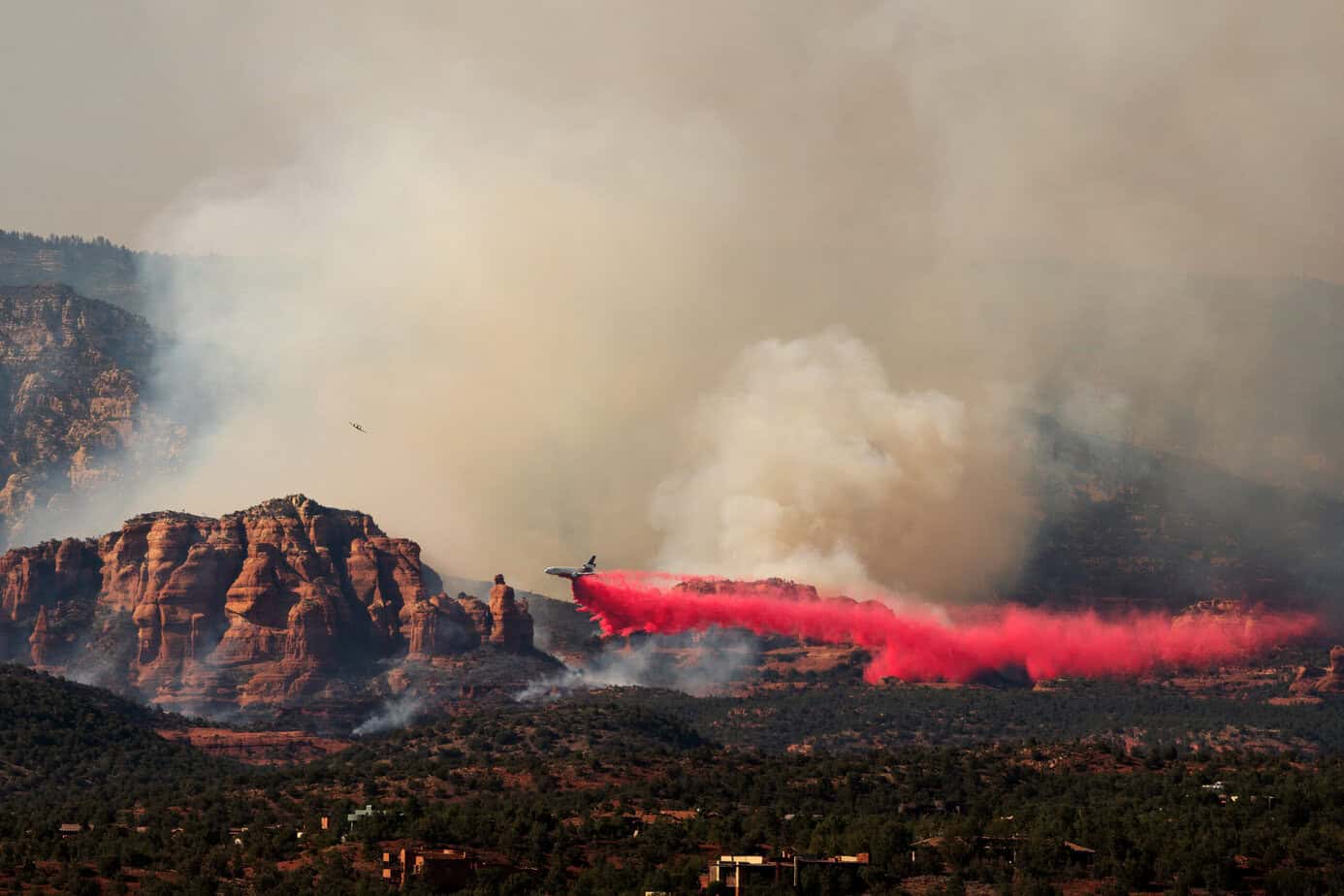
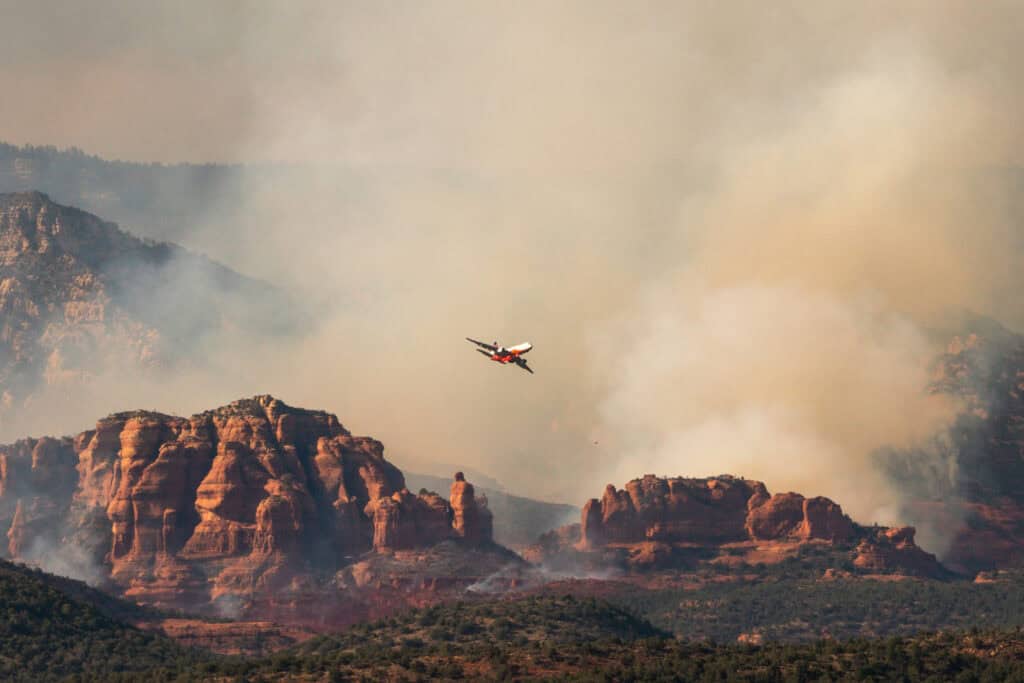
Just as I arrived home on Friday, July 3, I stopped to take a time-lapse video of flames and smoke pouring off the top of Maroon Mountain, just north of Enchantment and northwest of Seven Canyons. For those unfamiliar with the area north of Sedona, Maroon Mountain is the rock formation on the north side of Long Canyon and the south side of Secret Canyon, and forms the backstop for H.S. Canyon between them.
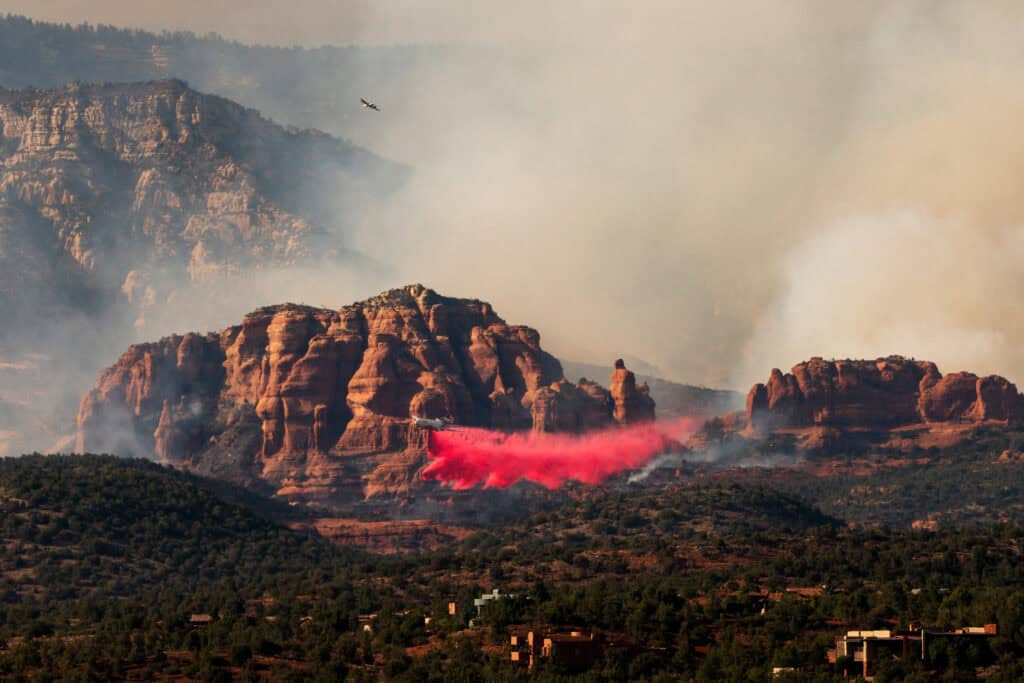
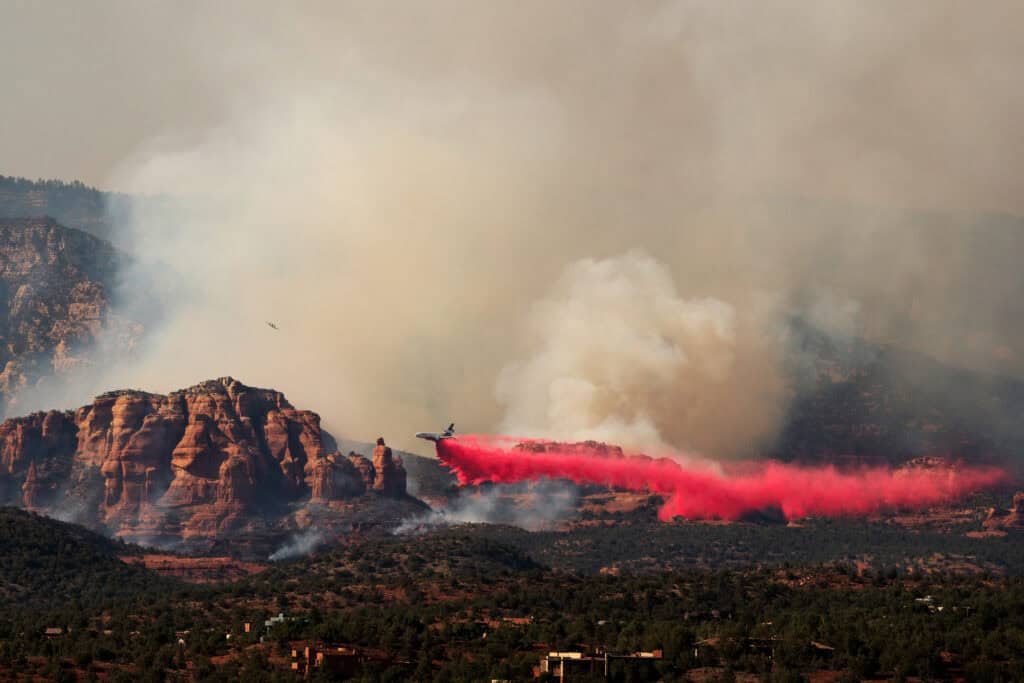
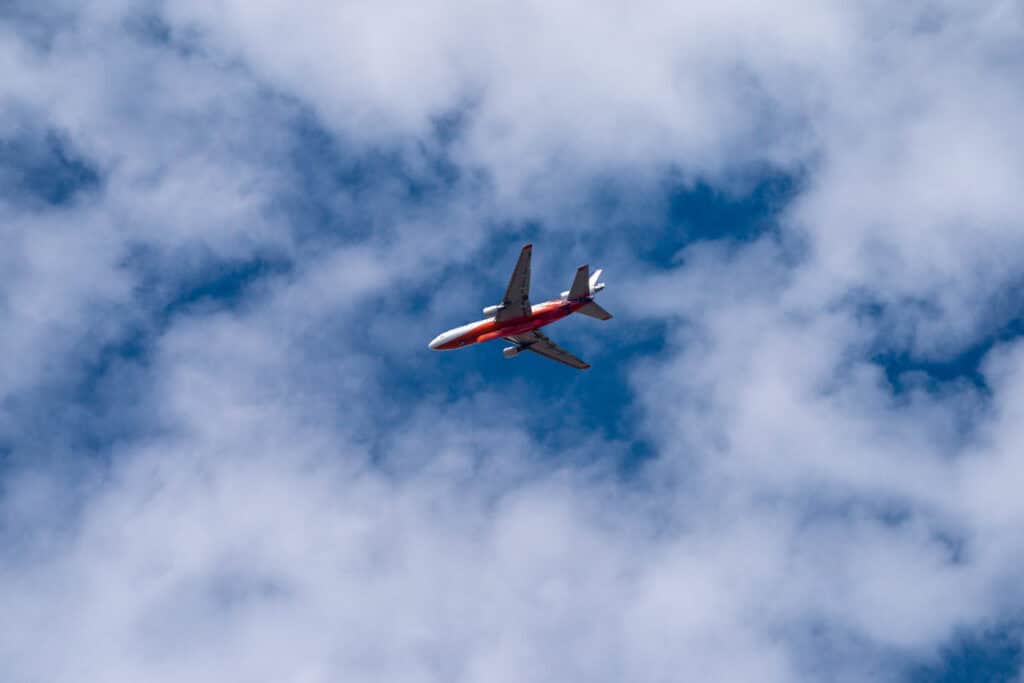
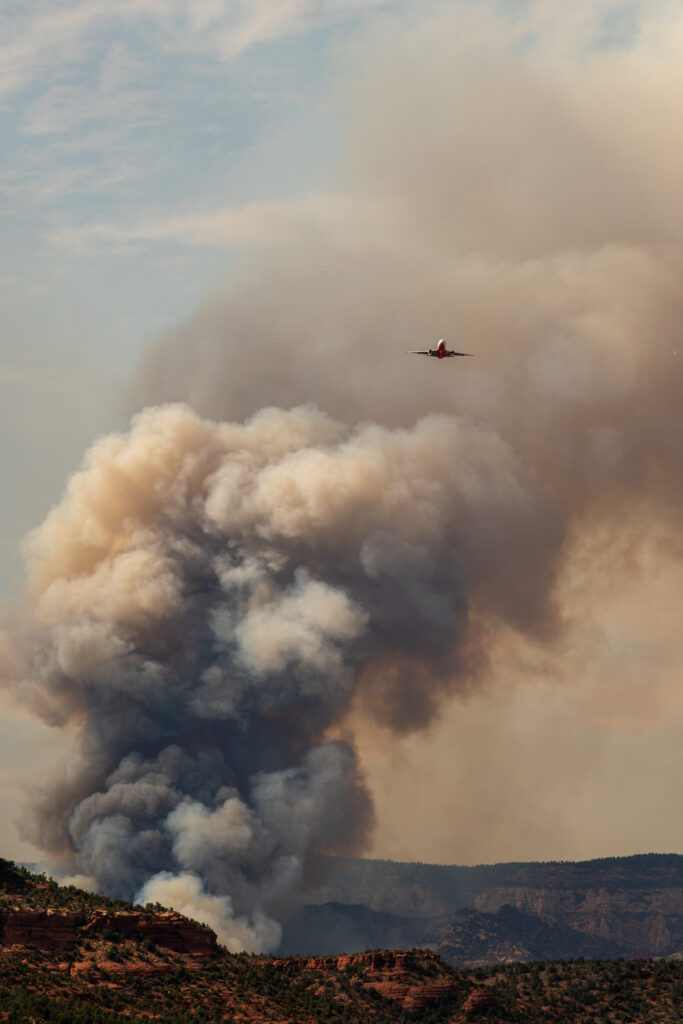
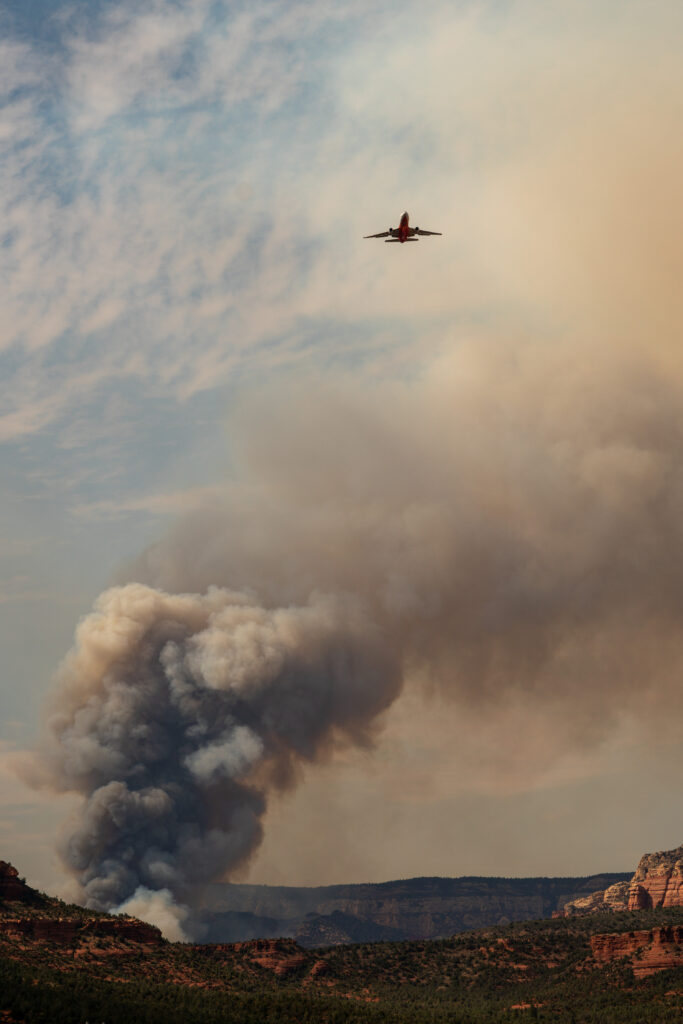
During that short, 41-second video, I unexpectedly captured two aircraft, an Avro RJ-85 and a C-130 Hercules, dropping bright fire retardant on the top of Maroon Mountain within about 10 seconds of each other before heading back to airports to reload for another run. While ground crews have no way to reach the top of these steep cliffs and are effectively unable to fight the fire atop red rock spires, aerial attacks are the only real ways to slow the Pocket Fire in these rugged conditions. The plume continued to burn through Saturday, July 5, threatening Long Canyon, but appears to have slowed its growth southward as of press time.
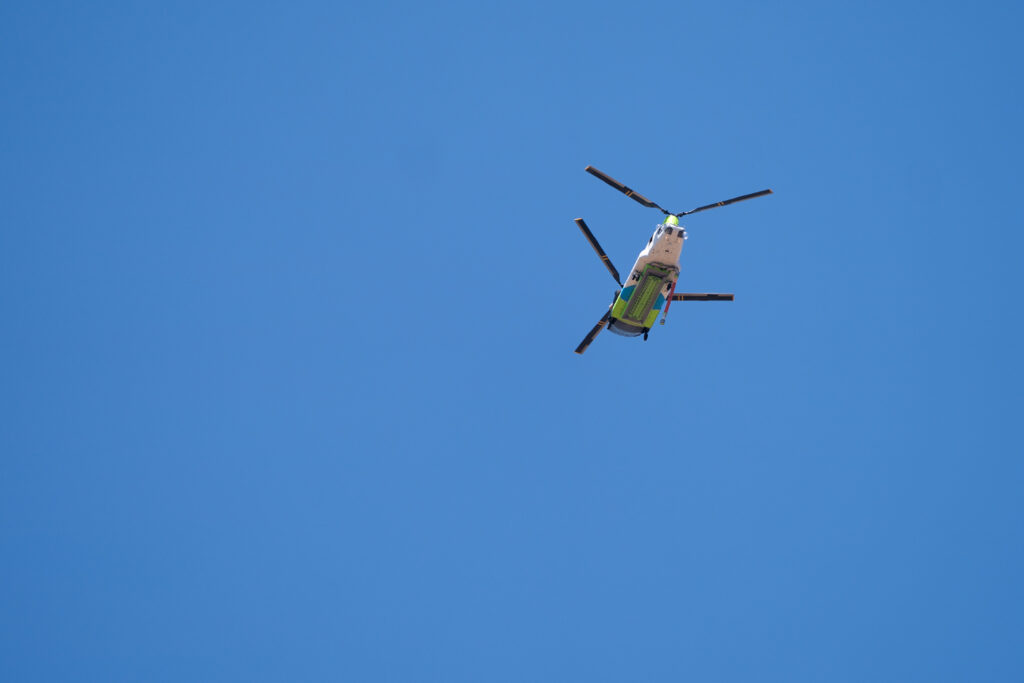
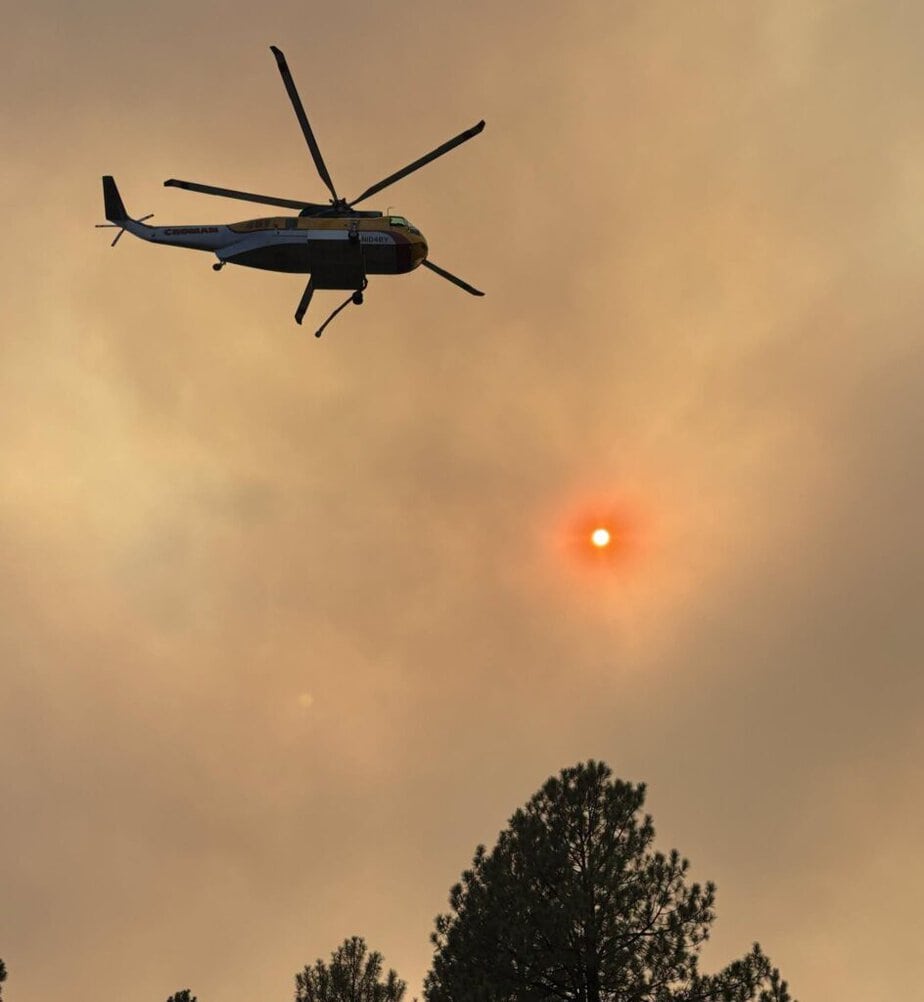
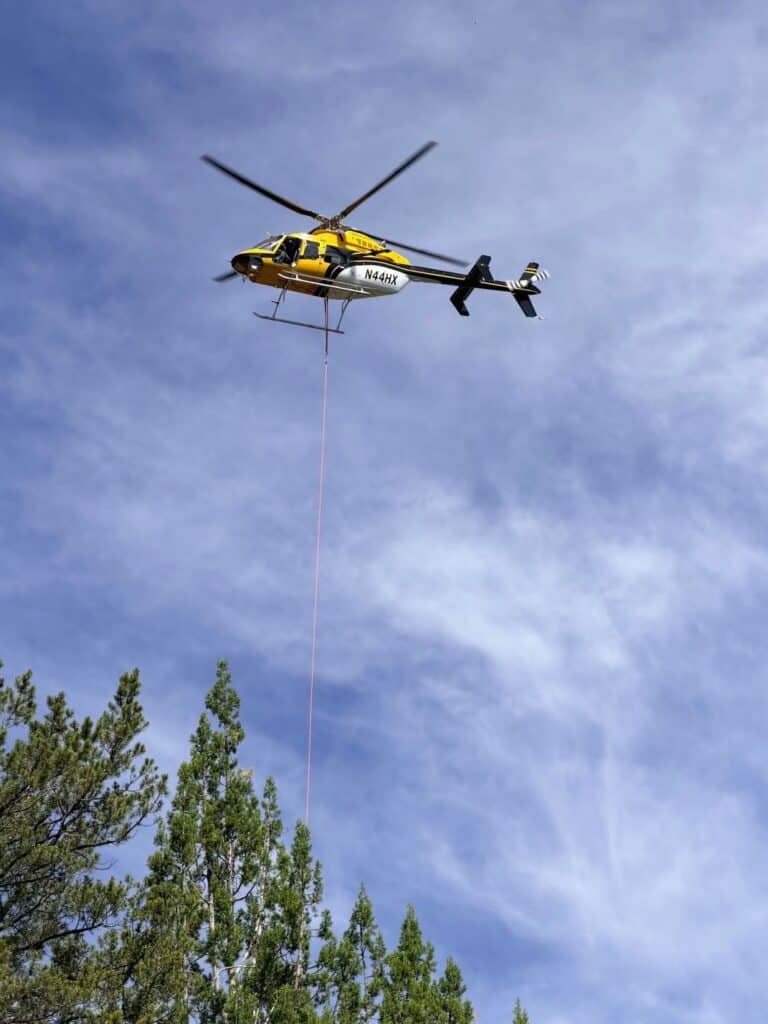
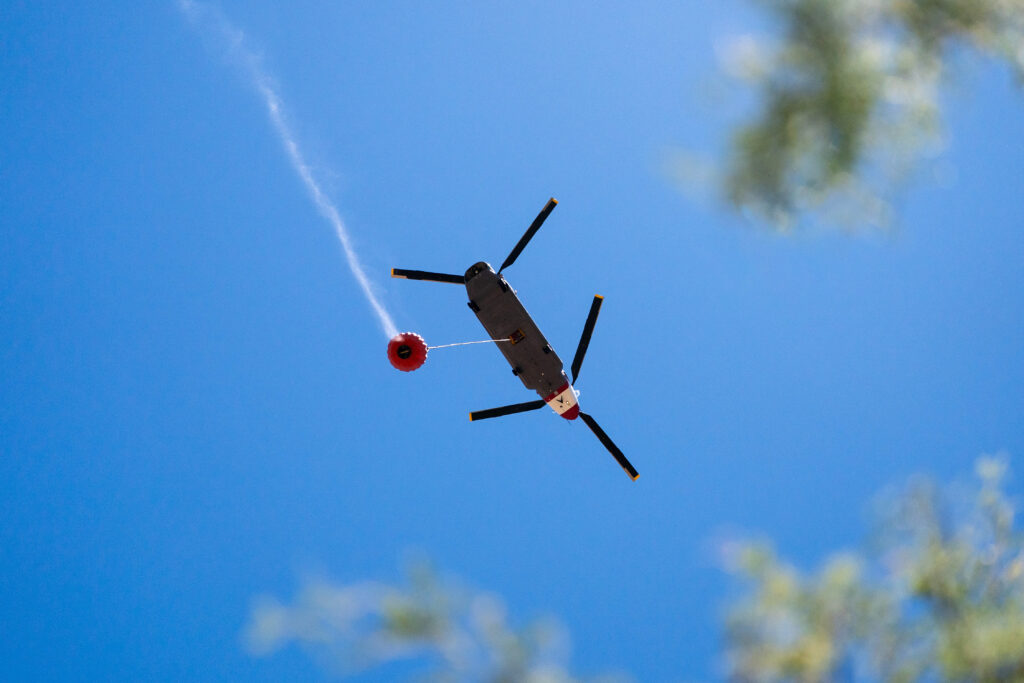
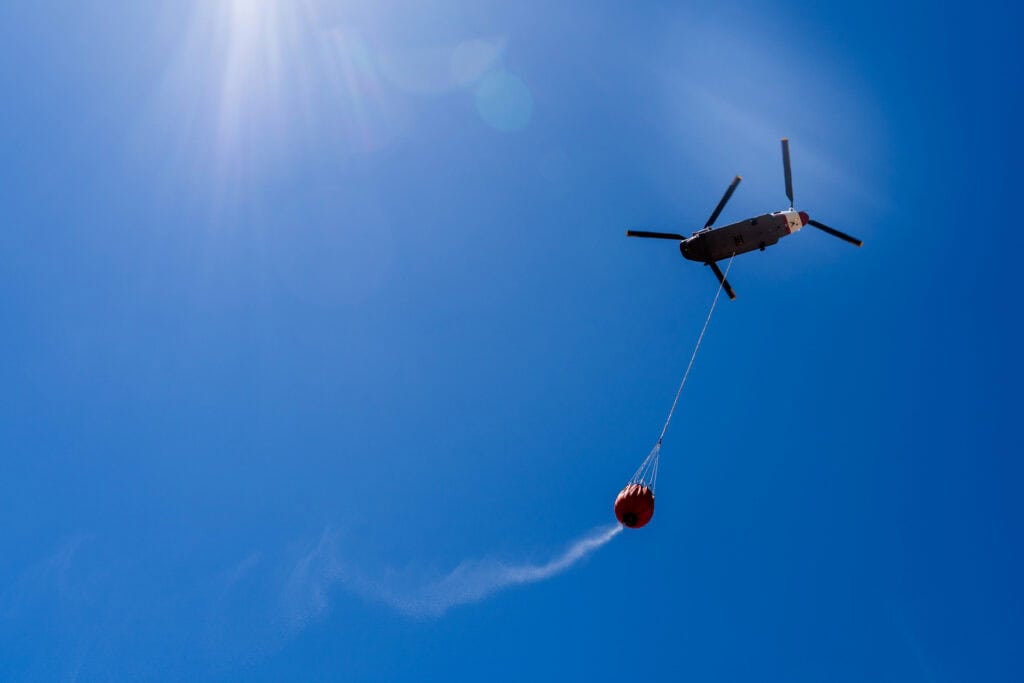
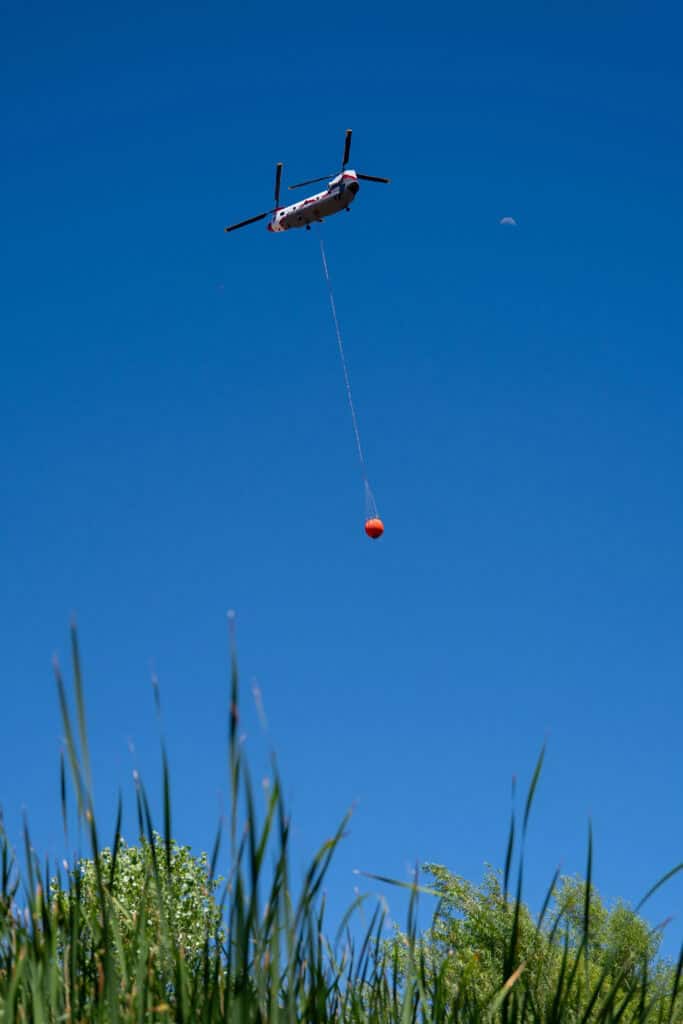
Helicopters, jets and propeller planes continued to battle the blaze from the sky throughout the weekend. While we didn’t see much of the heavy helicopters much on Sunday, they were conducting short runs on the northern perimeter of the Pocket Fire, helping ground crews contain the northern front of the blaze.
David Jolkovski/Larson Newspapers
David Jolkovski/Larson Newspapers

David Jolkovski/Larson Newspapers
David Jolkovski/Larson Newspapers
David Jolkovski/Larson Newspapers
David Jolkovski/Larson Newspapers
David Jolkovski/Larson Newspapers
While there are numerous theories about the cause of the fire, it remains officially undetermined. The starting point is rather remote and far from areas on East Pocket where hikers tend to be, but a human cause is still possible. We also had a thunderstorm the weekend before the first was first reported on June 19. “Hidden” or “sleeper” fires can start from a lightning strike and smolder on the terrain in isolated areas, burning slowly with smoke hard to detect.
These small fires can also burn underground for days through root systems as fire only needs fuel and oxygen. In January 2025, Los Angeles Fire Department put out the small, 8-acre Lachman Fire. Six days later, the smoldering remnants ignited the 23,448-acre Palisades Fire that burned 6,837 homes.
When these small, smoldering fires reach a big fuel source like a field of dry brush or dead trees, they can suddenly flare up into wildfires. Until fire investigators can reach the point of origin, we won’t know the cause, and it’s entirely possible that we’ll never know the cause depending on what remains after the fire subsides.
Either way, the Pocket Fire has now burned for more than two weeks, involving thousands of firefighters from around the American West who have rotated in and out to fight the fires. While it’s in our nature to want to thank these crews with food or gifts, please know that while appreciated, fire crews and command posts they cannot accept most food donations, which often go to waste. If you want to show your appreciation, contact the general information line and ask what can be donated. Or donate to firefighter charities, especially those who specifically help wildland firefighters.
We sincerely thank all the residents and visitors who have sent us photos and videos of their perspectives of the fire so we can share them with our readers. Continue to send them to me at editor@larsonnewspapers.com or through our social media messaging platforms and we’ll add them to our daily updates.
It may only be a heavy monsoon rain that will finally put a definitive end to the Pocket Fire. Until then, it’s the men and women on the line and the air trying to contain the blaze and limit its spread. We in Sedona sincerely thank them, one and all, for their dedication and service to our community and our environment.
David Jolkovski/Larson Newspapers
David Jolkovski/Larson Newspapers
David Jolkovski/Larson Newspapers
David Jolkovski/Larson Newspapers