

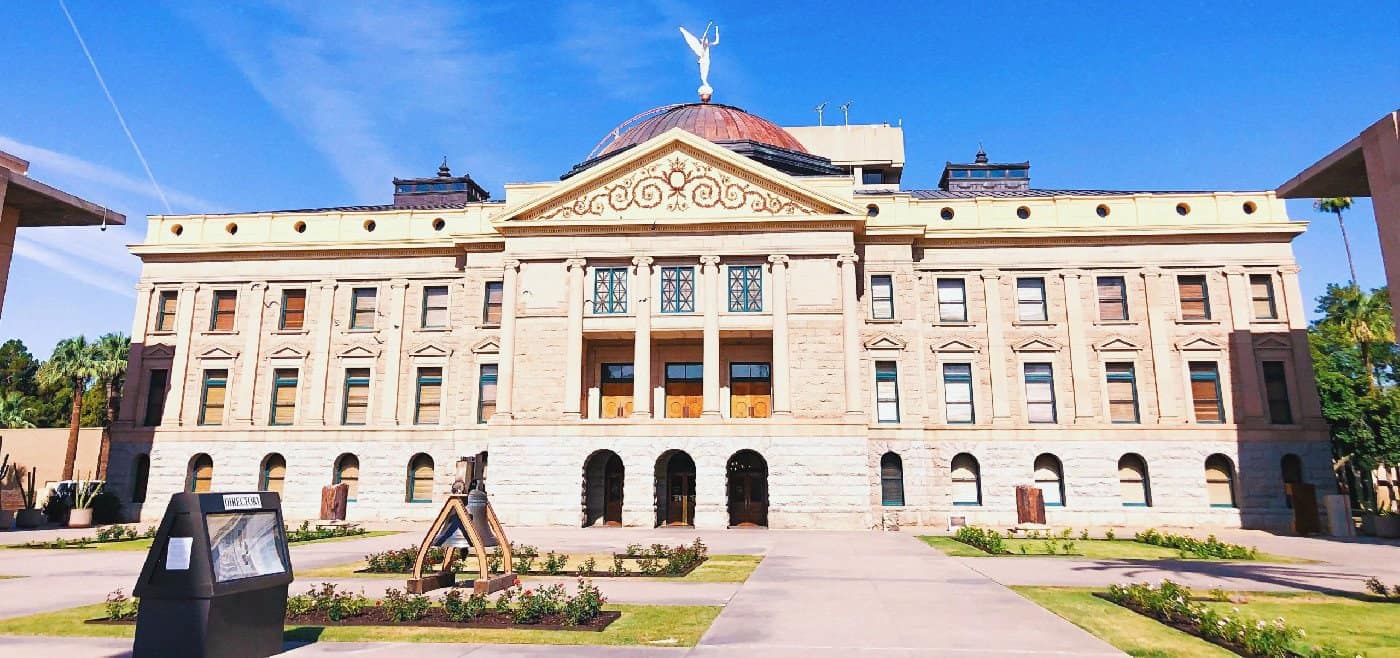
The Arizona State Legislature is back in session. Republicans have a 17-13 majority over Democrats in the Arizona State Senate and a 33-27 majority in the Arizona State House of Representatives.
There is almost no difference between the chambers — both are elected every two years, members are paid the same salary, districts are contiguous and both chambers can propose bills on any topic. The only difference is the size of the membership and the process for impeaching state officials: The House indicts, the Senate tries the case.
Both chambers have a two-term limit, but members will term out, move to the other chamber, term out and move the first chamber, creating a perpetual ruling class antithetical to the point of imposing term limits. If Arizona voters really wanted to end our legislative intransigence and oust the career lawmakers, we should float a ballot proposition setting an absolute term limit in the legislature.
The Republican majorities kicked off the legislative session with a package of 15 state budget bills, which notably passed in the House 31-0, with the vote delayed until all the Democrats went home after waiting for House leadership to bring the bills to the floor for debate.
After the unilateral vote, Republicans posted on social media that they passed the bills without a single Democratic vote, which is disingenuous to voters and not the flex they think it is as its not how representative governments are supposed to function.
Surprising no one, Democratic Gov. Katie Hobbs vetoed the bills when they hit her desk. But now Republican lawmakers can use Hobbs’ swift veto in their campaign literature and social media posts — which happened almost immediately, almost as if it was anticipated beforehand … you’d think 2026 was a gubernatorial election year.
The trend of single-party and fringe bills getting passed then swiftly vetoed is not unique to Arizona. When one party has a majority in a state’s House and Senate but a governor from the opposing party, more fringe bills are proposed that are doomed for failure but make for great political capital in reelection campaigns or in efforts to unseat that state’s governor. When one party has both chambers and the governor’s seat in a state, the legislative leadership tamps down on the really insane bills knowing they will face court challenges, public opposition or embarrass the party as a whole at election time.
Yet with this bit of annual theater out of the way, Arizona’s lawmakers can go back to their chambers and actually work on legitimate legislation that might actually become law.
Good bills with broad popular support will likely be made into law. Bad, weak and controversial bills are weeded out by legislative leaders knowing that if they don’t have at least some support from the Democratic minority, a Democratic governor who sets veto records every year isn’t going to let them become law.
This constitutional procedure of negotiating sane legislation makes it both easier and more difficult to pass laws. On the easier side, lawmakers can secure votes to pass laws that work for the majority of Arizonans or protect the rights, properties, incomes and savings of those in need and not get be distracted by fringe and wackadoo amendments tossed in the last minute to acquire the vote of a loon from a forgettable part of Arizona’s electorate.
On the flip side, party leaders also say that passing legislation through compromise is more difficult because there’s less to incentivize ideological party members who may be on the fence to vote for bills they may disagree when there’s nothing to directly benefit them personally — or their constituents, who they nominally represent.
On average, only 6% to 8% bills that begin the session make it to the governor’s desk for a signature or veto. That’s out of the several thousand number of bills that get drafted, about 1,000 that get sponsored and entered into the record. Most are subsequently killed, amended or voted down in either committee or in floor votes.
Bad and dishonestly proposed doomed bills are the ones that make national and state headlines, but should you see them in your daily news diet, ask if the governor is really going to sign it into law or if it’s just theater for the bill sponsor or the party proposing it.
If it is a garbage bill passed in bad faith, don’t let it live rent-free in your brain.


