










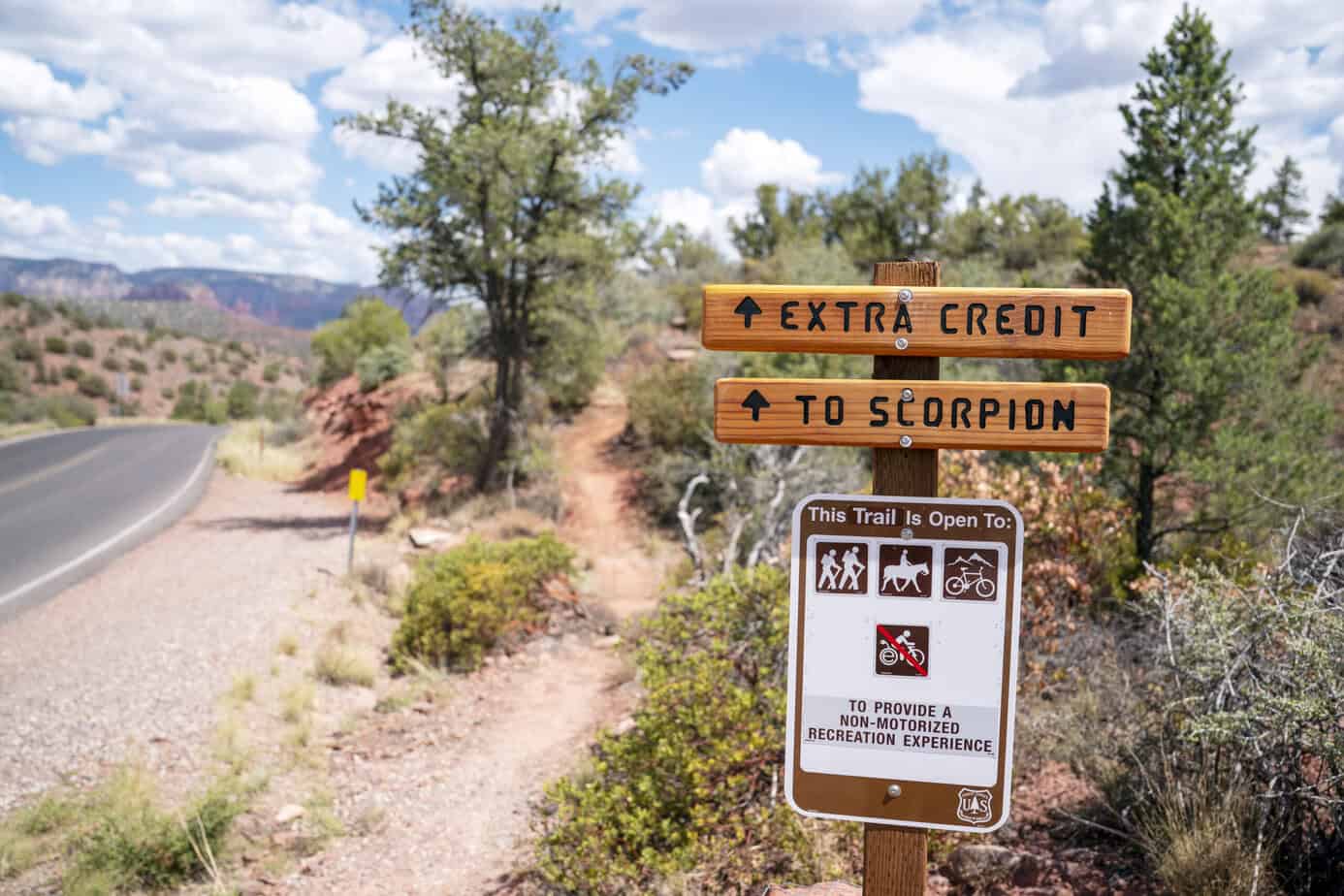
On July 25 we published the story “Forest Service gives few details on new trail,” about a new 500-foot section of trail connecting the Schuerman Mountain Trail to Upper Red Rock Loop Road, which also appeared on redrocknews.com and our Facebook page under the headline “Forest Service gives few details on new Sedona trail” on July 27.
Of the 14,000 stories currently on our website, a notinsignificant percentage concerns the U.S. Forest Service generally or the Coconino National Forest specifically and understandable so considering the city of Sedona and the Village of Oak Creek are wholly surrounded by Coconino National Forest lands.
It’s actually hard to explain everything we cover involving or referencing the USFS or Coconino National Forest — everything from pedestrian, cycling and equestrian trails; hiking and mountain biking; Sinagua archaeological sites; forest restoration efforts; local, regional and federal restrictions, bans, closures and limitations; National Environmental Policy Act studies; forest ranger employment issues and working conditions; profiles on new Red Rock Ranger District district rangers and top staffers so readers know which federal workers are serving locally; homeless and transient camping issues; search and rescue efforts; city of Sedona zoning issues that affects USFS lands within city limits, which often get very complicated given the overlapping municipal and federal rules and regulations; wildland fires and wildfire prevention; camping rules, campsite expansion or consolidation; cleanup efforts; invasive plant removal; endangered and threatened species protections and nonprofit, government and community efforts; and trail work on the hundreds of trails in the Sedona area.
I’m probably missing loads of other topics and stories we’ve covered or are covering simply because there are so many. It’s one of the major reasons we hired reporter Joseph K. Giddens since he came to us with about 15 years of experience working for public land agencies including the National Park Service.
The Coconino National Forest has been and is a great partner for our news coverage, even if Red Rock Ranger District and Coconino National Forest personnel are stretched thin by wholly inadequate funding by federal officials going back decades — not just the current presidential administration.
Wildland firefighting has taken up more and more of the USFS budget every year. In Fiscal Year 2018-19, wildland firefighting funding took up just 16% of the USFS’ total operational budget. In Fiscal Year 2014-15, it grew — not unlike an uncontrolled fire — to take up more than 50% of USFS operational funds for the first time. In Fiscal Year 2024-25, projections are that the costs of wildfire prevention and firefighting efforts will take up 67% of the operational budget. In Fiscal Year 2024-25 the USFS had $9.3 billion in total federal appropriations — but with $2.39 billion for wildland fire management and $2.3 billion for wildfire suppression operations.
When we reached out for our trail story in July, we were surprised that the Coconino National Forest public information officer instead directed us to the USFS Region 3 Press Office in Albuquerque, N.M., rather than comment directly to answer some very simple, basic and apolitical questions our readers asked the trail.
We were even more surprised that everyone there declined to go on the record and answer our readers’ questions.
And we contacted every individual in that office directly for comment with no replies back. Not one.
If taxpayer-funded federal government “communications” workers in the regional “Press Office” refuse to “communicate” with the public and the press about questions regarding taxpayer expenses on taxpayer-owned public lands then readers, residents and taxpayers at large have every right to know about that dereliction of duty from these federal public service workers. It poorly serves the Coconino National Forest’s local rangers who have been told not to comment because their higher-ups would do so. Unlike our local forest rangers, these Press Office workers are not on the front lines cleaning trailheads, conducting rescues of lost hikers or clearing brush.
They’re sitting an office and supposed to be answering questions of the public and the press, sin qua non.
Makes one wonder what the regional “Press Office” workers do all day if they don’t communicate with the press, which, according to the placard on the door is their raison d’être. For example, if a restaurant hires waiters to wait tables and those waiters refuse to wait tables — they’re not waiters. No restaurant owner would keep them employed long.
With no other option but to demonstrate to our readers that we did our due diligence in seeking answers, we published the story as it appeared. It’s unfortunate for everyone involved but especially the local nonprofit partners who supported the construction — that the USFS Region 3 Press Office so poorly represented the Coconino National Forest and its staff by utterly failing to provide the public with answers to very basic questions.