










Even though same-sex marriage is now allowed nationwide, gay and lesbian couples continue to face obstacles when attempting to foster or adopt children in Arizona.
That’s where Project Jigsaw comes in.
The organization, which is part of the larger Equality Arizona, is a campaign focused on building a diverse coalition of Arizonans working together to create an environment where all couples, regardless of sexual orientation or gender, are provided the opportunity to build a loving family for children. According to information provided by the group, this will be achieved by:
- Ensuring all prospective parents have equal opportunity to foster and adopt.
- Offering parents, providers and stakeholders the resources they need to navigate the foster care and adoption process so the child can succeed. This includes identifying agencies, lawyers and counseling services well versed in the specific needs of LGBTQ families considering fostering or adoption.
- Telling the story of Arizona families created by adoption and fostering, moving past the outdated and damaging stigma and stereotypes that too often prevail.
- Advocate for the necessary policy and procedural changes in Arizona, from improved training and processes to legislative and technical policy changes.
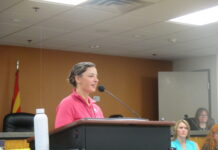
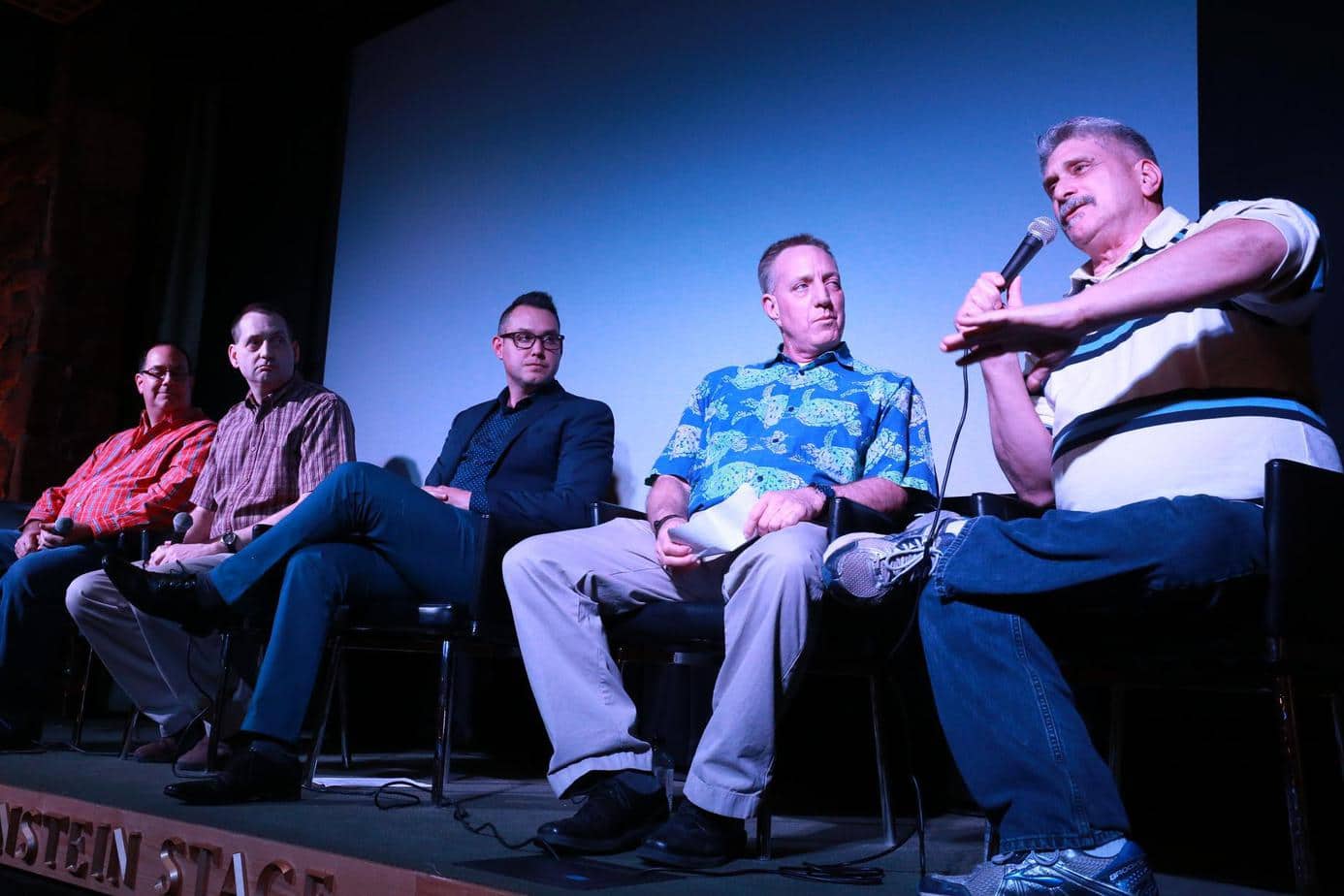
About 50 people turned out on Thursday, March 3, at Mary D. Fisher Theatre to a discussion hosted by Project Jigsaw regarding gay adoption and fostering. There are more than 19,000 children in Arizona’s state care and not enough foster and adoptive homes to keep up with the need, representatives of the group said. To address this issue, multiple state legislators introduced bills this session that would have helped to eliminate some of the obstacles in Arizona’s adoption process to recruiting prospective families.
Such bills sought to replace the “preferential language” in the adoption law that gives primary consideration to adoptive placement with a “married husband and wife” to a “married couple.”
“These bills are important because the way our adoption law is currently written — along with other discriminatory and institutional barriers — prevent one too many LGBTQ families from the opportunity to establish unconditional support, love and homes to children in state care,” the information states. “Rather than standing up for our children and working to eliminate such barriers to recruiting foster and adoptive families, some legislators refused to give these bills hearings or place on committee agendas, therefore the bills are now considered dead.”
“We’re just looking to level the playing field because the playing field is not very level in the state of Arizona,” said moderator J.J. O’Brien, president of PFLAG Sedona.
Dr. Kevin Patterson was the evening’s keynote speaker and was joined by couples Barry Maketansky and Jimmy Salisbury of Lake Montezuma, and Marc Sterling and Tommy Stovall of Sedona on a discussion panel about the struggles and successes of gay adoption.
“With so many kids in the system, why wouldn’t we choose a child in our own backyard?” asked Patterson, who along with his husband, David, have two adopted daughters.
Even though their story had a happy ending, he said the adoption of three other children fell through primarily because they are gay. Because of that, they sued the state for marriage equality and won. Their marriage outside the courthouse the day they won their case was broadcast live on Phoenix television stations and appeared in USA Today.
For Maketansky and Salisbury, they adopted their son 19 years ago but only one was listed as the adopting parent. They said back then it was an ever bigger battle than today. In fact, Maketansky said a judge required he and his son to have regular HIV tests for six months to ensure there was no sexual misconduct between the two.
Now 30, their son provided a letter which in part read, “Our family may have looked different but it was perfect — love.”
Sterling and Stovall adopted their now-teenaged son when he was just a newborn. But in their case, the adoption took place while they were living in Texas, which according to them is more accepting to gay adoption than is Arizona.
“We had been together three or four years when we started having family and friends encouraging us to adopt,” Stovall said. “We thought with all the kids out there who needed a good home, why not? We considered adopting a second child but we got the door shut in our face right off the bat [here in Arizona].”
For more information on this topic, visit equalityarizona.org.