
Two of Yavapai College’s top administrators in the Verde Valley and Sedona are foreseeing a sizable investment in hospitality and culinary programs on this side of the mountain.
According to Yavapai College Verde Valley Campus Dean James Perey, the college has taken a “hard look” at expanding its hospitality and culinary courses because of a clear need in the area, “If you really look at the economy of the Verde Valley, it’s heavily driven by tourism — particularly food and hospitality,” Perey said.
As a result, Perey was tasked with looking at culinary programs in community colleges throughout the U.S. in order to determine how a culinary program would look in the Verde Valley or Sedona. Though much of the design of the program — from its curriculum to where its hosting facilities are to be housed — remains open for debate, the advantages of housing a program in the area became clear to Perey.
“Our competitive advantage is that private institutions are charging $35,000 to $45,000 for an associate degree,” Perey said in his address to the Yavapai College Verde Valley Board Advisory Committee, Jan. 20. He added that he would rather not see students take on such debt.
A culinary program would require “three basic kitchens,” Perey explained: A commercial kitchen that would provide integration with the hospitality program; a teaching kitchen with different stations for more intensive instruction; and a baking kitchen to allow for baking and pastries, “the fastest growing facet of culinary programs.” A possible fourth kitchen, focusing on chocolates, might also be in the works.
“You’re looking at 5,000 square feet for the facility,” Perey said, adding that no firm decision has been made on where to build the facility— and as a result center
the program.
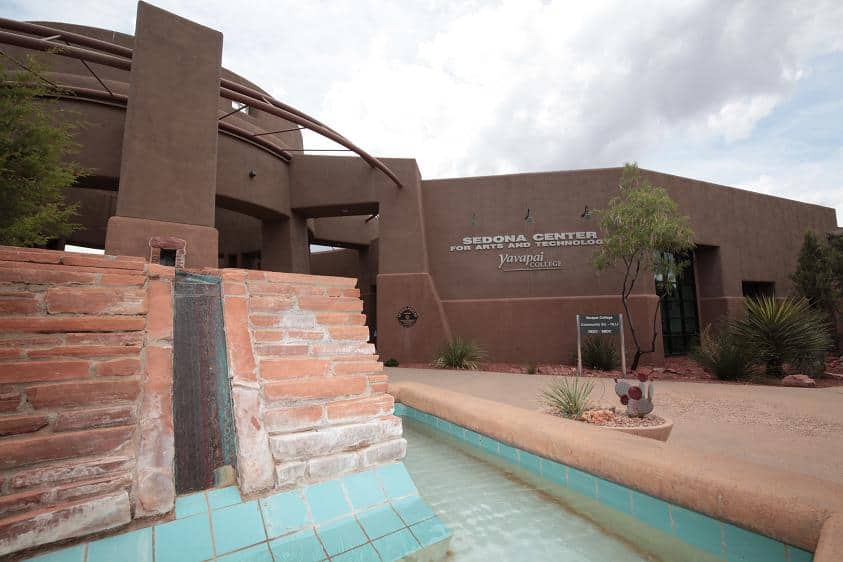
Perey said that Sedona is a viable option to “anchor” a hospitality and culinary program, but that an extensive cost analysis coupled with input from the community about what Sedona’s needs are has to be done. According to Perey, funds for the planned renovation of the Sedona Center become available in July, after which the official planning period begins.
“Do I believe we have the space there? I do,” Perey said. “Hopefully, by the end of this semester we’ll know if it will work …. I’d like extremely nice, professional facilities to match that building. I want to leverage expertise by using local chefs as instructors.”
In addition, Perey added that he thinks that centering a program in Sedona creates a competitive advantage of its own — simply by being Sedona. The name is synonymous with the tourism industry. Furthermore, substantial revenue might be generated by visitors attending non-credit culinary courses.
“I’m really encouraged by what I’ve heard today,” VVBAC Chairman Paul Chevalier said following Perey’s presentation. “I’m encouraged that the college is listening to the community. If you do this right, it will create jobs.”
While seconding Chevalier’s enthusiasm, VVBAC board member Randy Garrison offered a note of caution, saying, “I’d hate the program to become too Sedona-centric.”